Dynaton : Convocation of Radiant Beings ~ 75th Anniversary Exhibition Château Shatto
〰️
Dynaton : Convocation of Radiant Beings ~ 75th Anniversary Exhibition Château Shatto 〰️
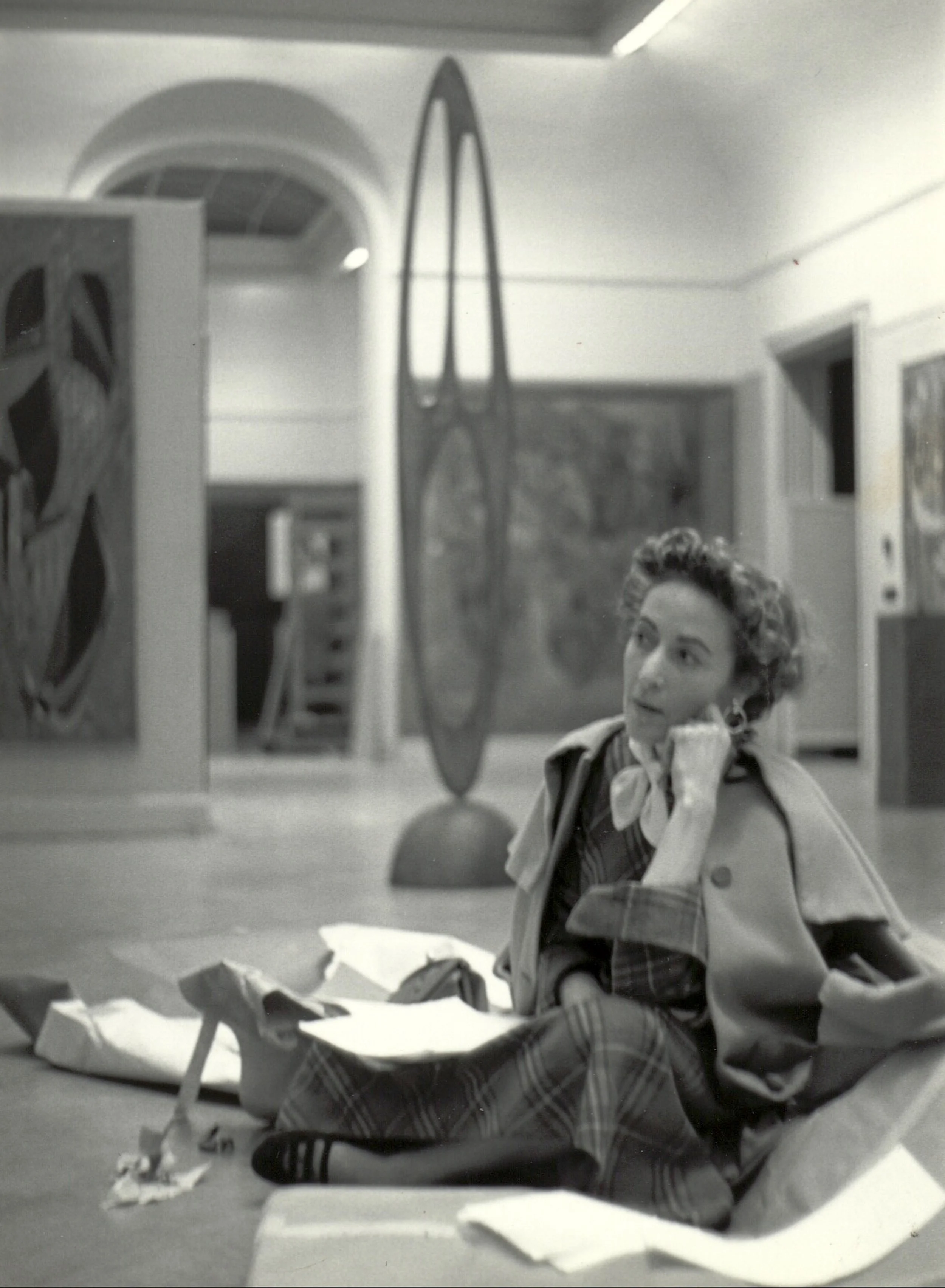
OverviewLabel Curatorial is a research, publishing, and exhibition platform founded by curator and historian Laura Whitcomb. It focuses on the intersections of art, experimental music, poetry, film, design, and lesser-known philosophical currents within the histories of California art and countercultural movements.
The curatorial traces how Surrealism, new scientific theories and technological developments, hermetic and para‑philosophical thought, and émigré communities shaped postwar artistic trajectories, with a particular focus on the decades following the Second World War. Projects span multi‑venue historical retrospectives, site‑specific performance and sound, and film‑ and design‑driven installations that reactivate landmark modernist and countercultural spaces, often accompanied by engaging auxiliary catalogues and related publications.
Label Curatorial is recognized for the depth of its research, bringing a number of lesser‑known histories and artists to the surface in highly impactful ways. It compiles these histories, gathers dispersed materials, and situates this work within rigorous critical and historical frameworks oriented toward the present, in dialogue with contemporary practices in visual art, experimental composition, performance, film, and independent publishing. It has advised institutions, cultural programming platforms, galleries, and museums on how to navigate the current cultural climate with attentiveness to language, context, and representation, approaching these histories through a grounded and historically informed lens.
Recent ProjectsDilexi
a Gallery & Beyond
Exhibitions
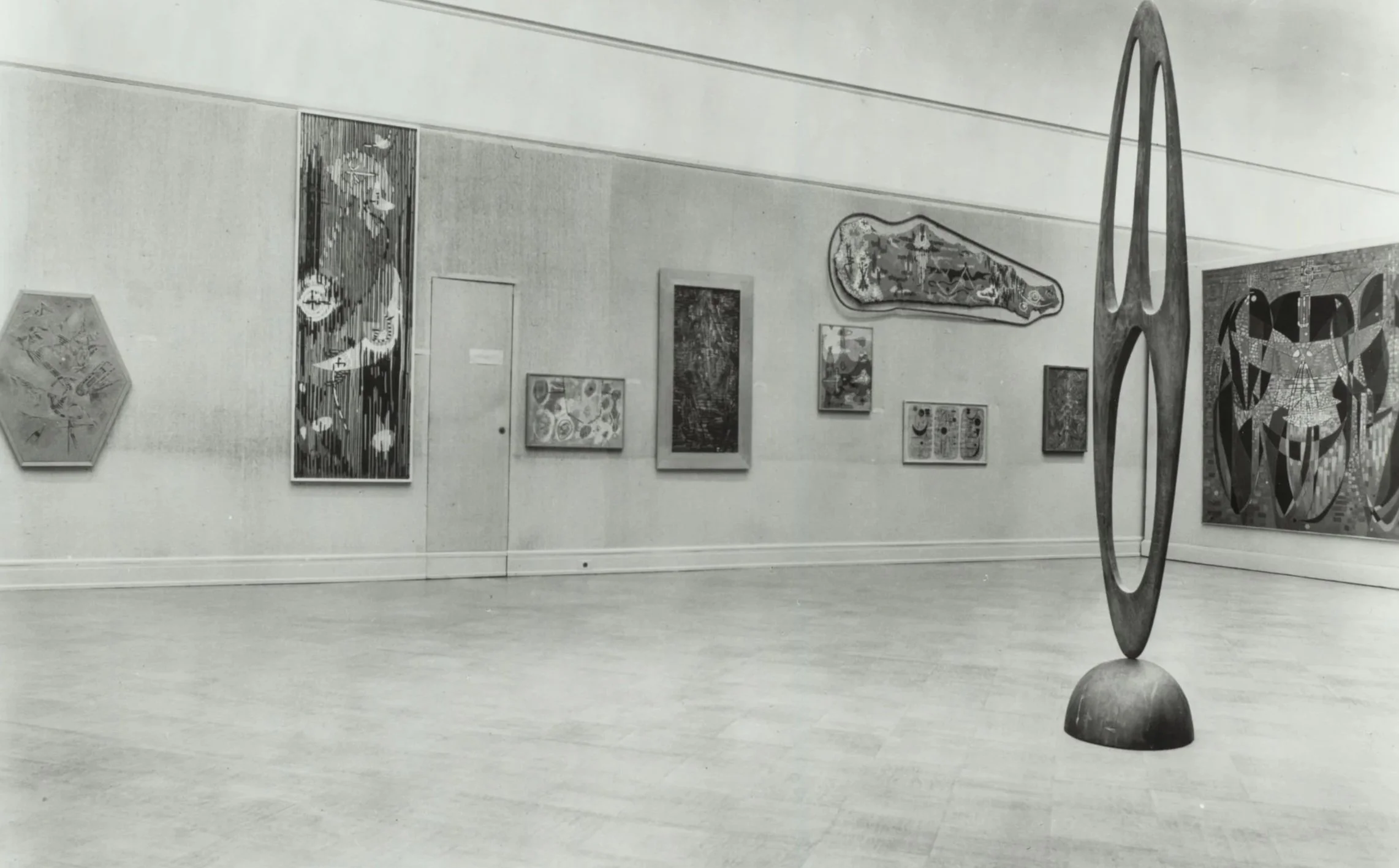
San Francisco Museum of Art Dynaton installation, 1951
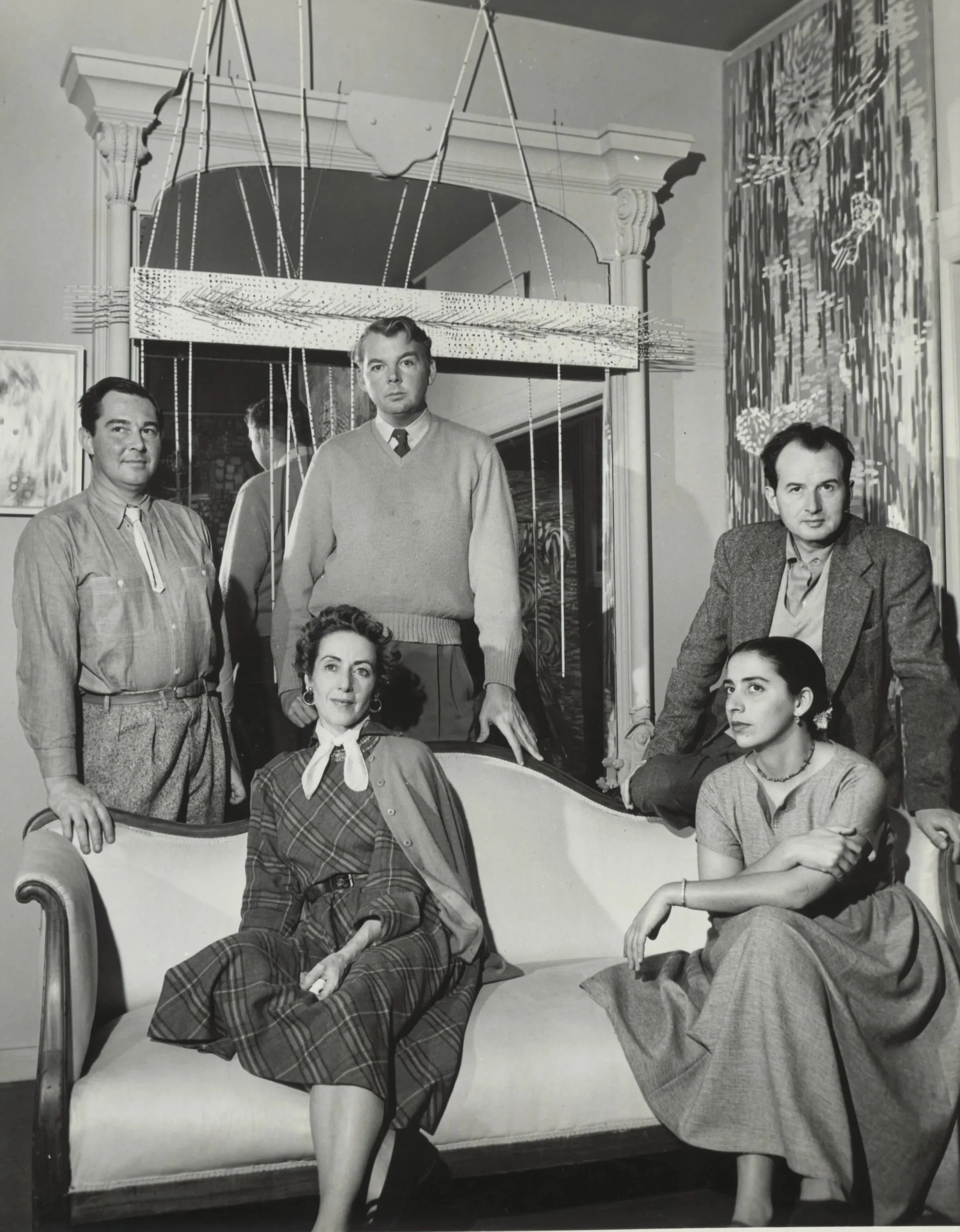
Clockwise: Gordon Onslow Ford, Lee Mullican, Wolfgang Paalen, Luchita Hurtado and Jaqueline Johnson; Courtesy Lucid Art Foundation
Dynaton: Convocation of Radiant Beings
Jun 5, 2026 6-8pm
Château Shatto
540 N Western Avenue
Los Angeles, CA 90004
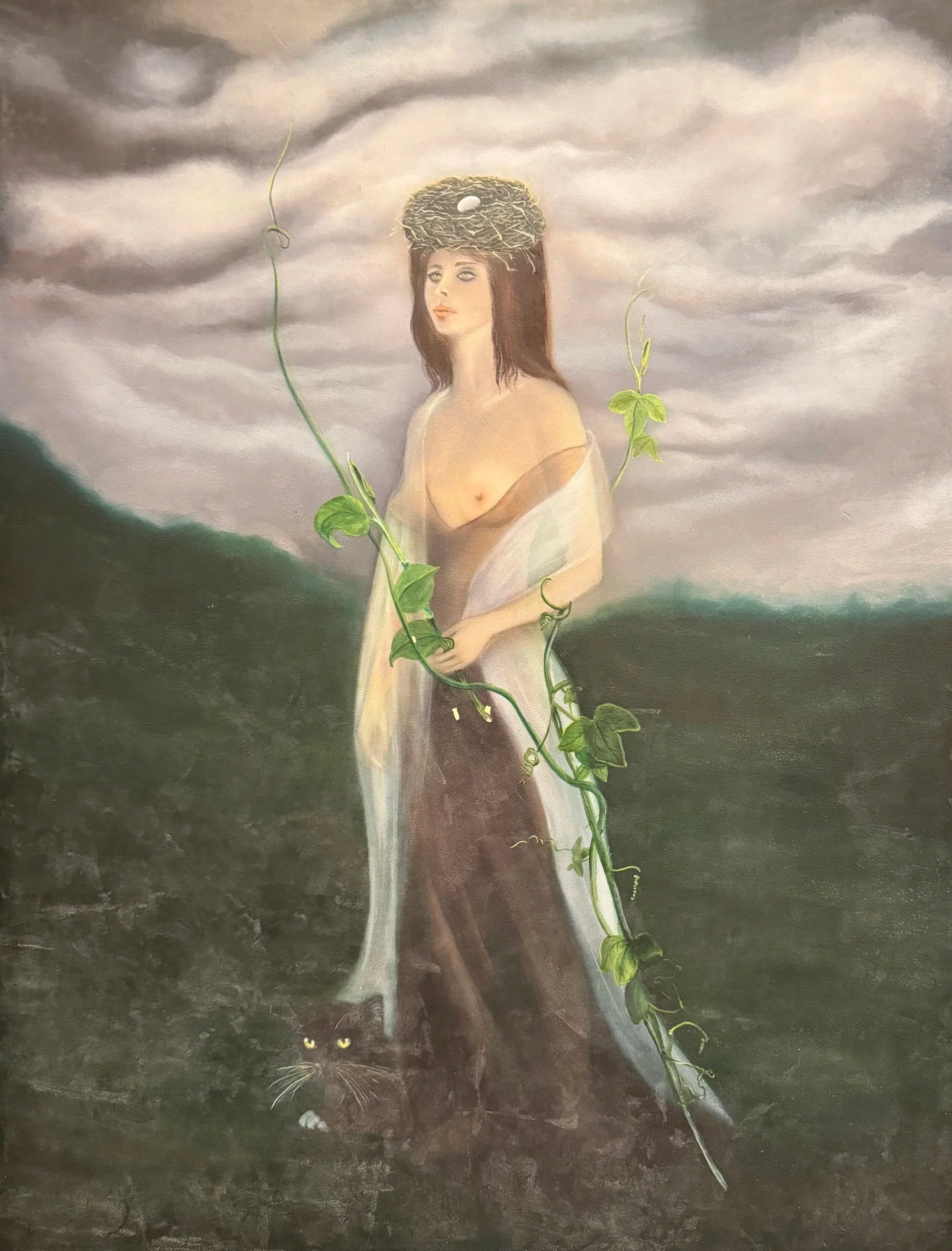
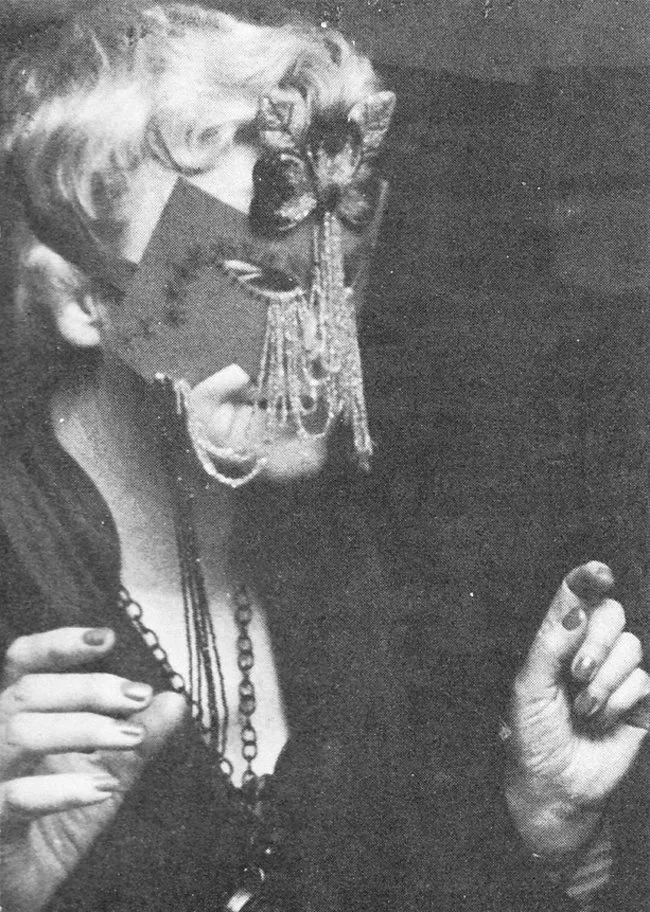
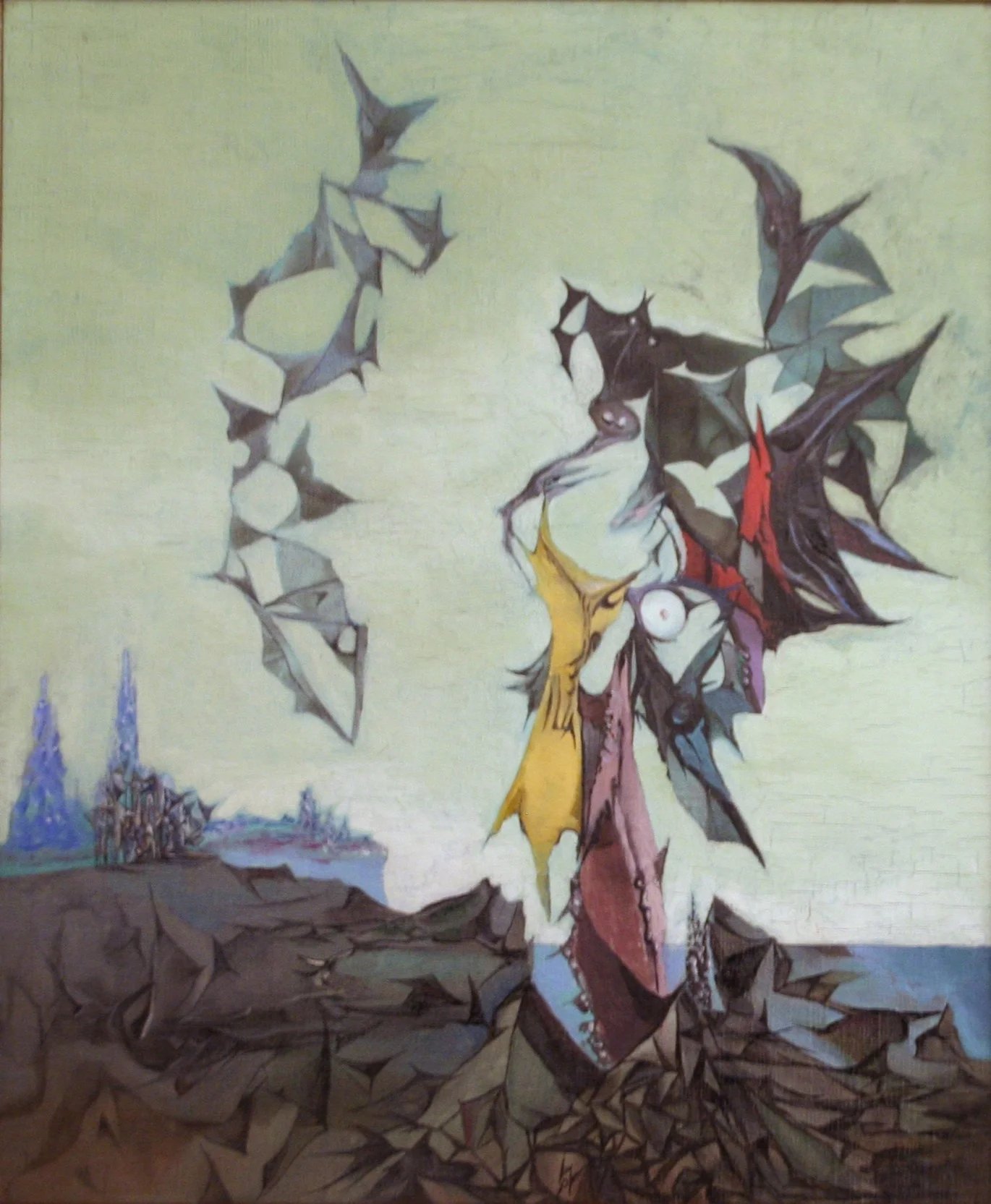
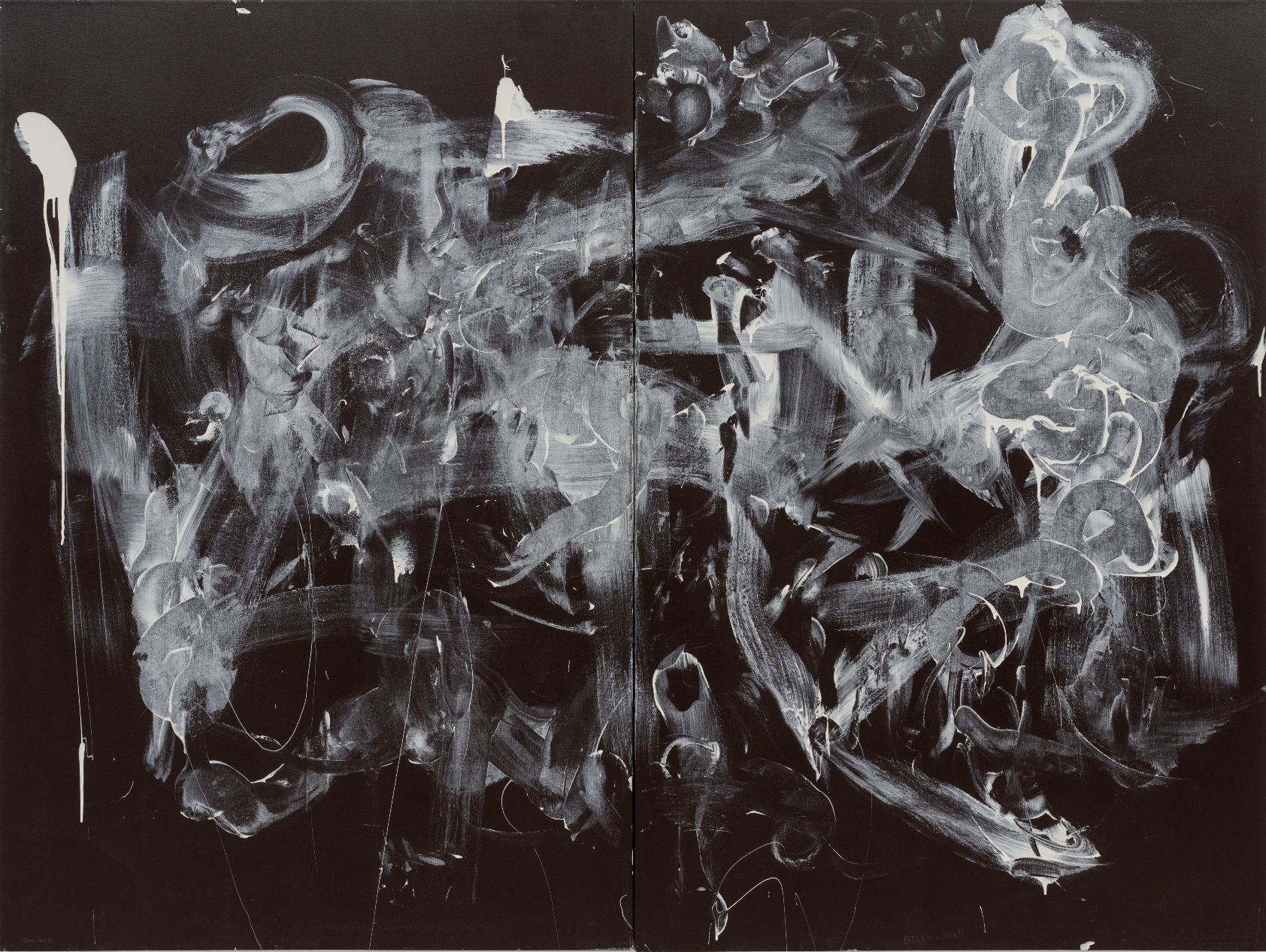
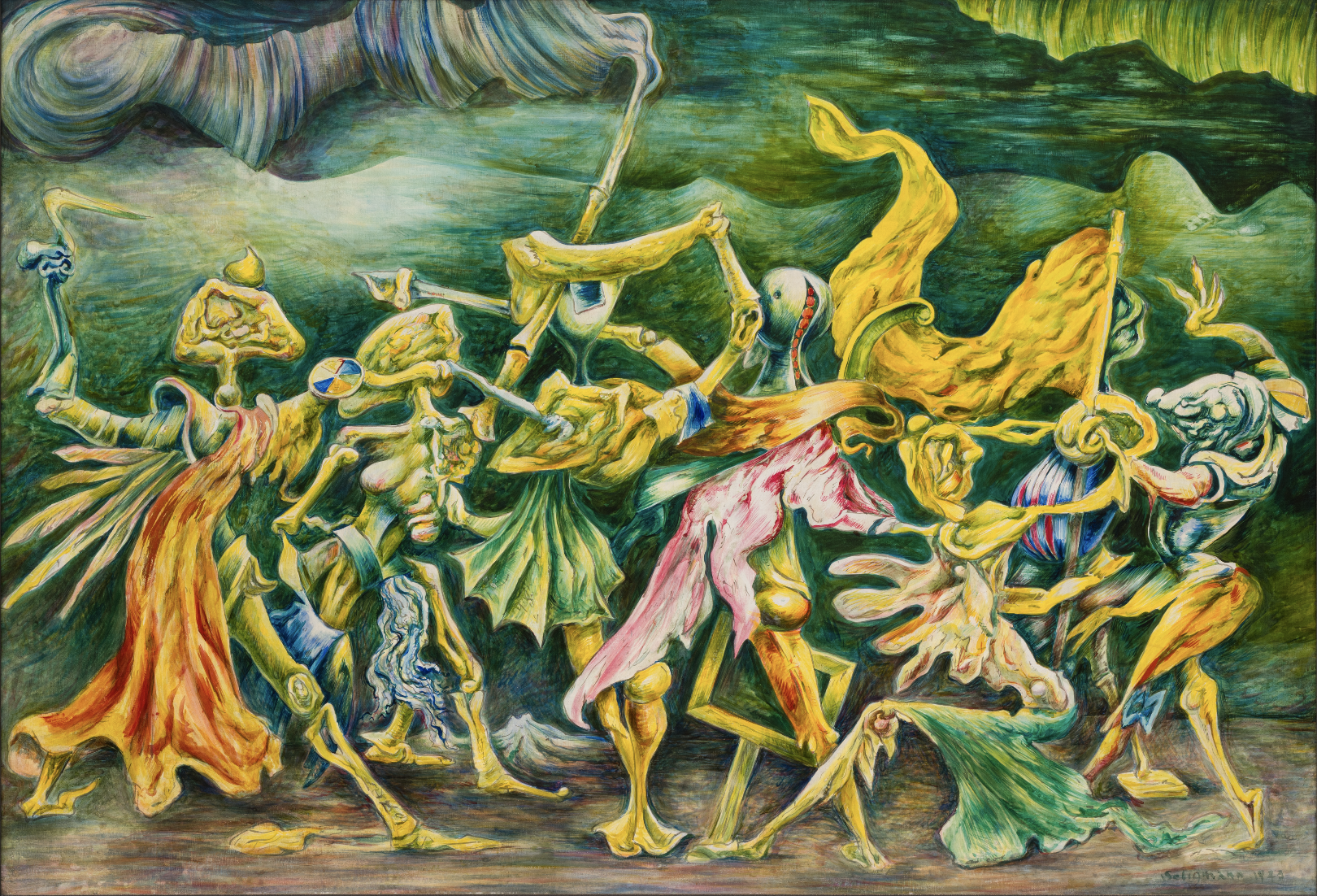
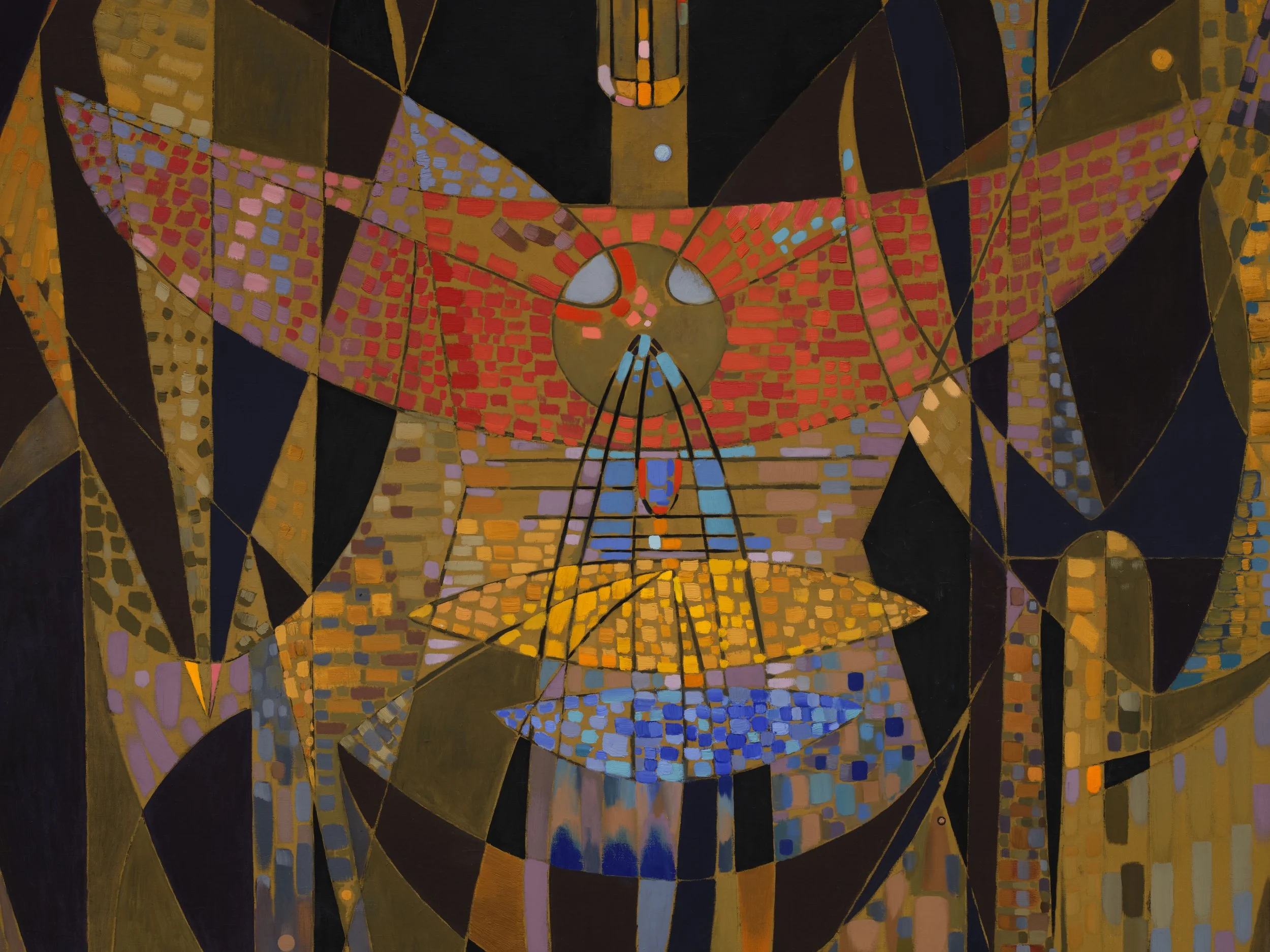
Château Shatto, in collaboration with the Lucid Art Foundation and the Estates of Luchita Hurtado and Lee Mullican, presents Dynaton, an exhibition that revisits and expands the artistic constellation set in motion by Wolfgang Paalen’s “Farewell to Surrealism” and crystallized in the 1951 San Francisco Museum of Art presentation of Gordon Onslow Ford, Paalen, Lee Mullican, and the philosophical writings of Jacqueline Johnson. This re‑imagining reunites much of the historic Dynaton show while, for the first time, foregrounding the women—including Leonora Carrington, Alice Rahon, Luchita Hurtado, Eva Sulzer, and Jeanne Reynal—who formed its extended nexus, which grew out of Paalen’s periodical Dyn, and introducing a sonic dimension shaped by the contributions of Harry Partch.
Publications
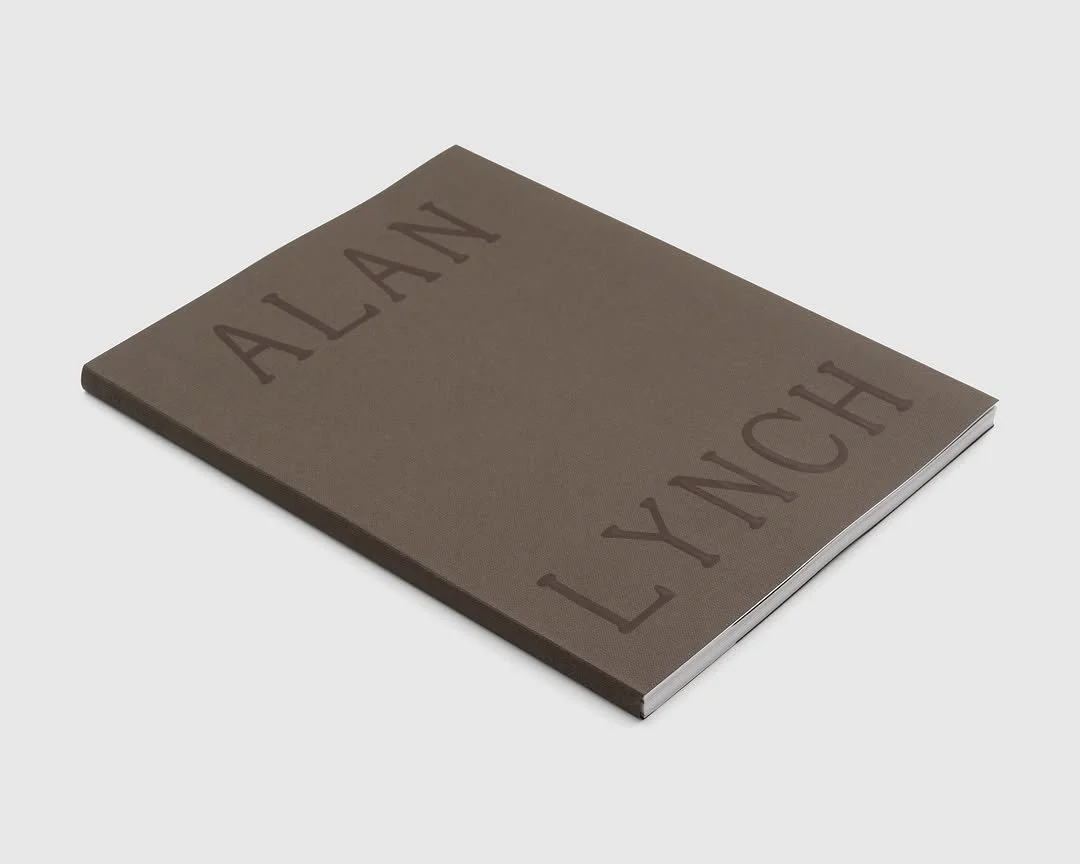

Alan Lynch
Château Shatto
Spring 2026
Los Angeles, California
Alan Lynch’s art practice was defined by wide philosophical and reverential systems. These took root in the artist through his early study of judo, then expanded into a sustained practice of Sōtō Zen Buddhism––with Lynch eventually being ordained a monk––and a transcendental understanding of the material world that characterized his relations to it. Château Shatto discovered the work of Lynch through Laura’s Dilexi publication and now represents the estate. Laura collaborated on the project and contributed an essay: Alan Lynch: A Brush Stroking the Void.
About Laura
Laura Whitcomb is a curator and historian whose scholarship is anchored in surrealist studies and postwar art, with a focus on bringing lesser‑known artists and histories into clear, research‑based view. Through Label Curatorial she develops collection‑based research exhibitions, catalogues, and public programs for museums, galleries, and foundations, with particular expertise in postwar California, artist‑ and poet‑run spaces, and archives connected to hermetic and related philosophical frameworks. Her projects have addressed the Light and Space movement, Bay Area artist‑run and poet‑run galleries, the Dilexi Gallery, and the channeler‑artist Paulina Peavy, as well as extended work as a resident scholar at the Gala–Salvador Dalí Foundation in Figueres.
Her recent and ongoing commissions engage art and trauma, artists working with esoteric and para‑philosophical influences, and the role of experimental music, dance, and immersive performance in shifting perceptual experience in the postwar period. She has contributed to museum catalogues, advised institutions and cultural programming platforms on how to navigate the current cultural climate with attentiveness to language, context, and representation, prepared archives for placement in research centres, and created in‑depth dossiers on artists whose work has not been adequately documented or contextualized. Beginning her career in the late 1980s, she wrote for publications such as Blitz and contributed to the underground anthology Apocalypse Culture while organizing early curatorial projects, including the first presentation in California of British designers from the 1980s zeitgeist—among them Vivienne Westwood and the House of Beauty and Culture. She later founded the clothing line and gallery space Label in New York’s SoHo (1990s–2010), where exhibitions and fashion collections were conceived around shared conceptual themes; a dress from this period was recently acquired for the costume collection of the Victoria and Albert Museum. Since 2010, she has worked with institutions on commissions that integrate deep archival research with exhibition‑making and publishing, often centered on under‑recognized holdings within existing collections.
Stay in touch
Follow Us on Social