
Dictation from the Other Side
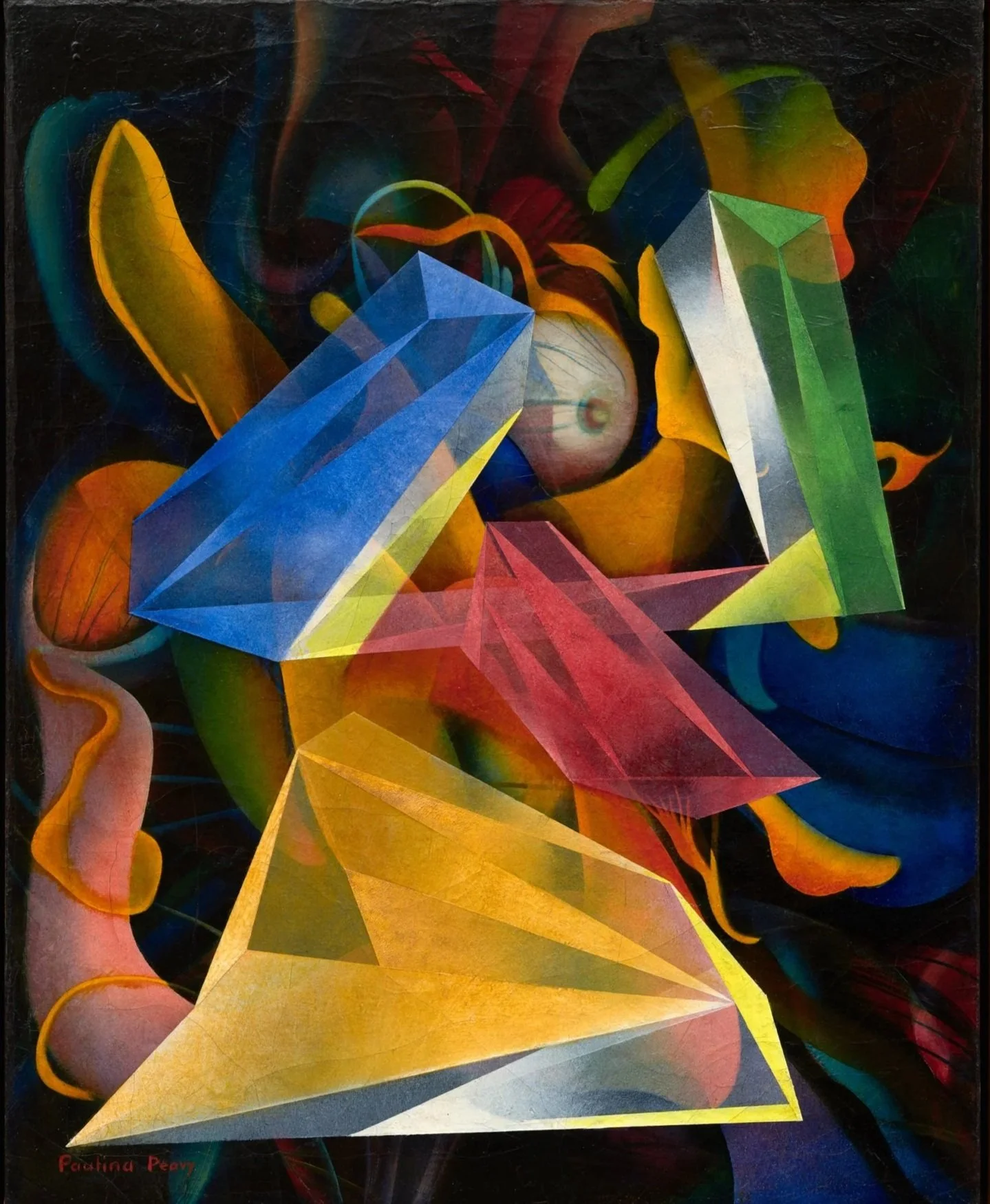
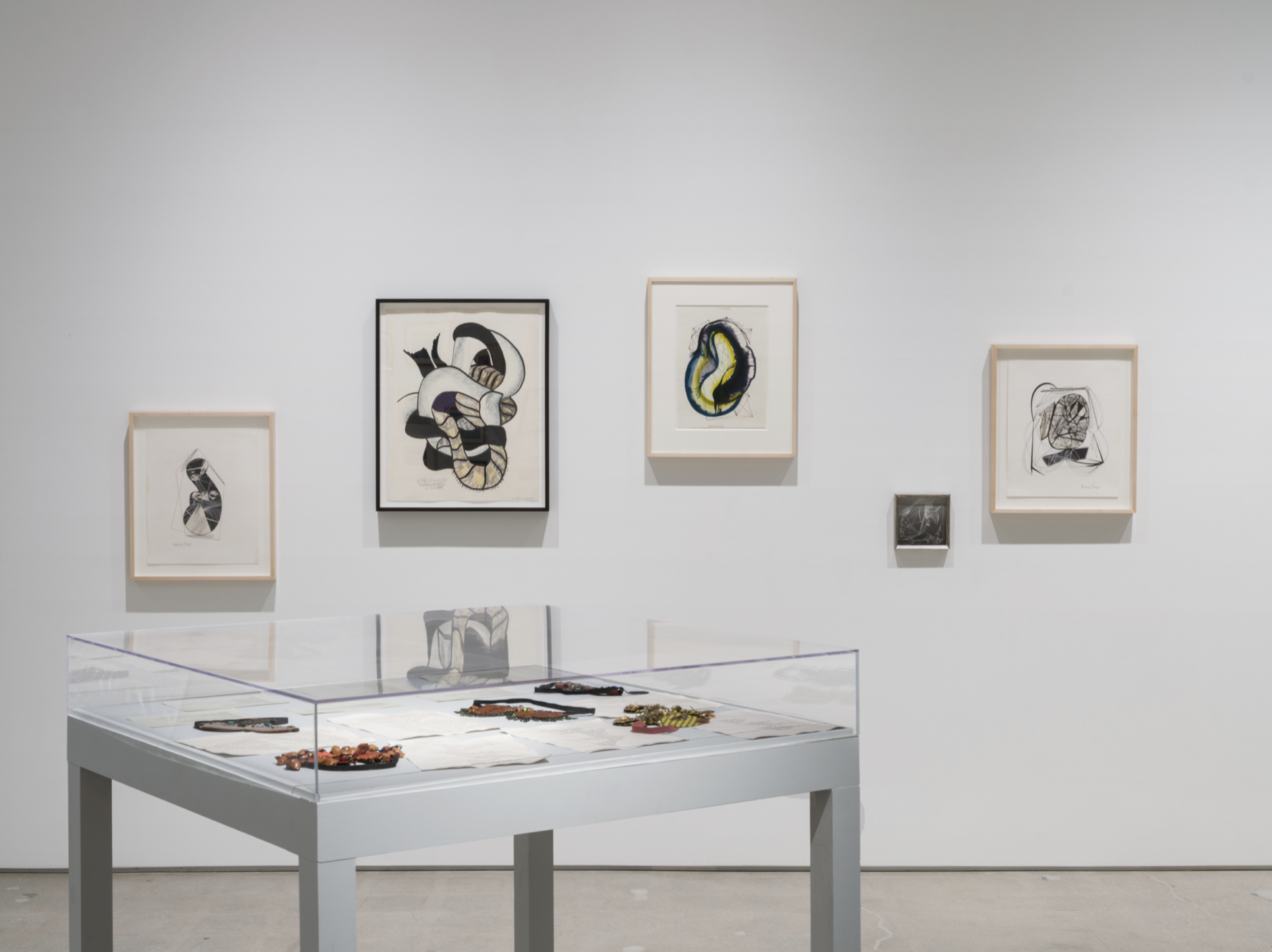
Paulina Peavy, Untitled
Dictation from the Other Side
Karma
July 23–September 12, 2026
Opening reception Thursday, July 23, 6–8 pm
Karma
7351 Santa Monica Blvd
West Hollywood, CA 90046
Gertrude Abercrombie, Paul Beattie, Wallace Berman, William S. Burroughs and Steven Lowe, Eugenia P. Butler, Cameron, A. Burton Carnes, Bruce Conner, Enrico Donati, Renate Druks, Esteban Francés, Madge Gill, Juanita M. Guccione, George Herms, Aleksandra Ionowa, Louise Janin, Ted Joans, Jacqueline Lamba, André Masson, Roberto Matta, Michael McClure, Arthur Monroe, Grace Pailthorpe, Paulina Peavy, Betye Saar, Kurt Seligmann, Harry Smith, Marian Spore Bush, Beatrice Wood, Anna Zemánková, Joanne Ziprin, Lionel Ziprin, and Unica Zürn.
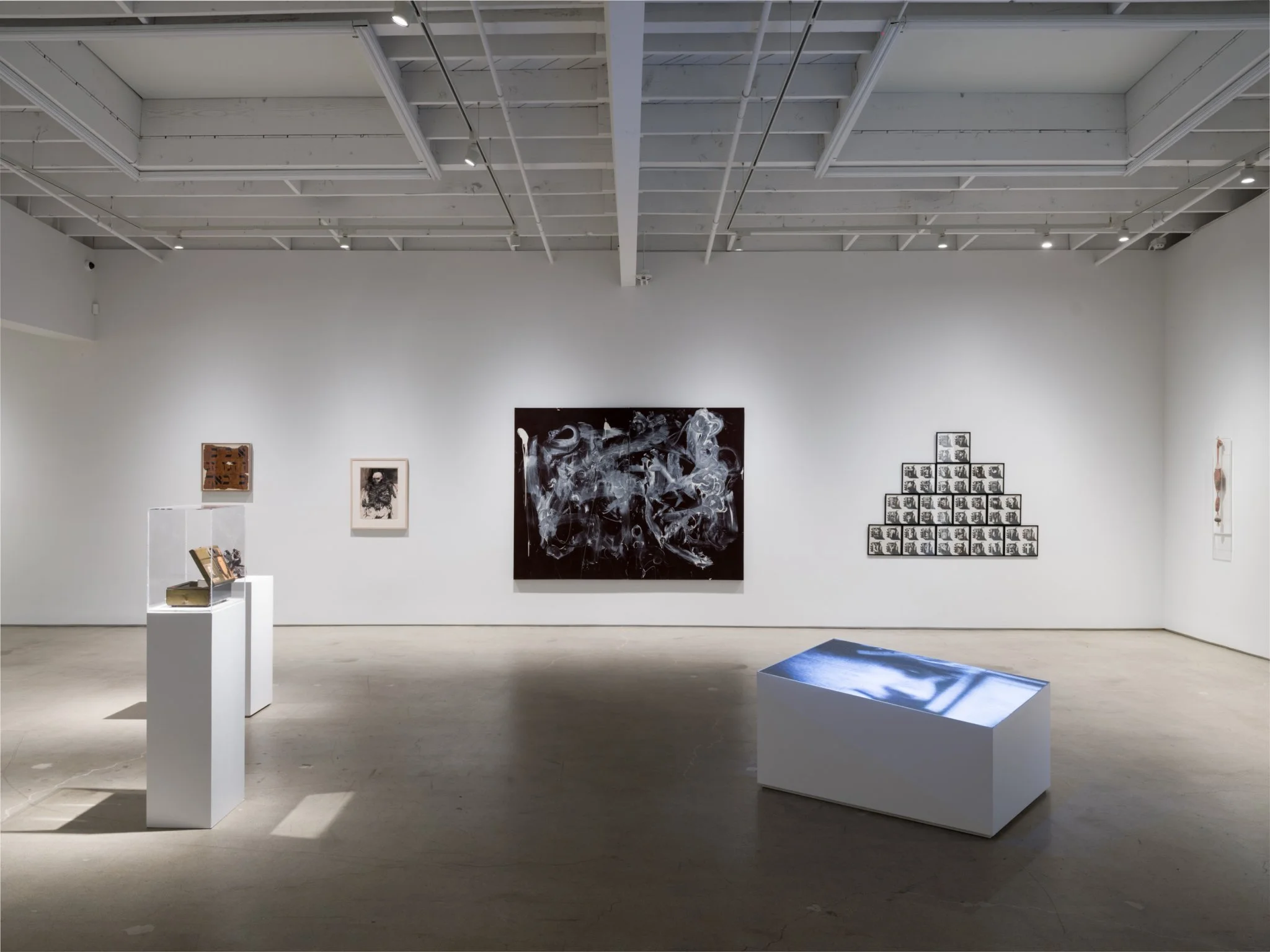
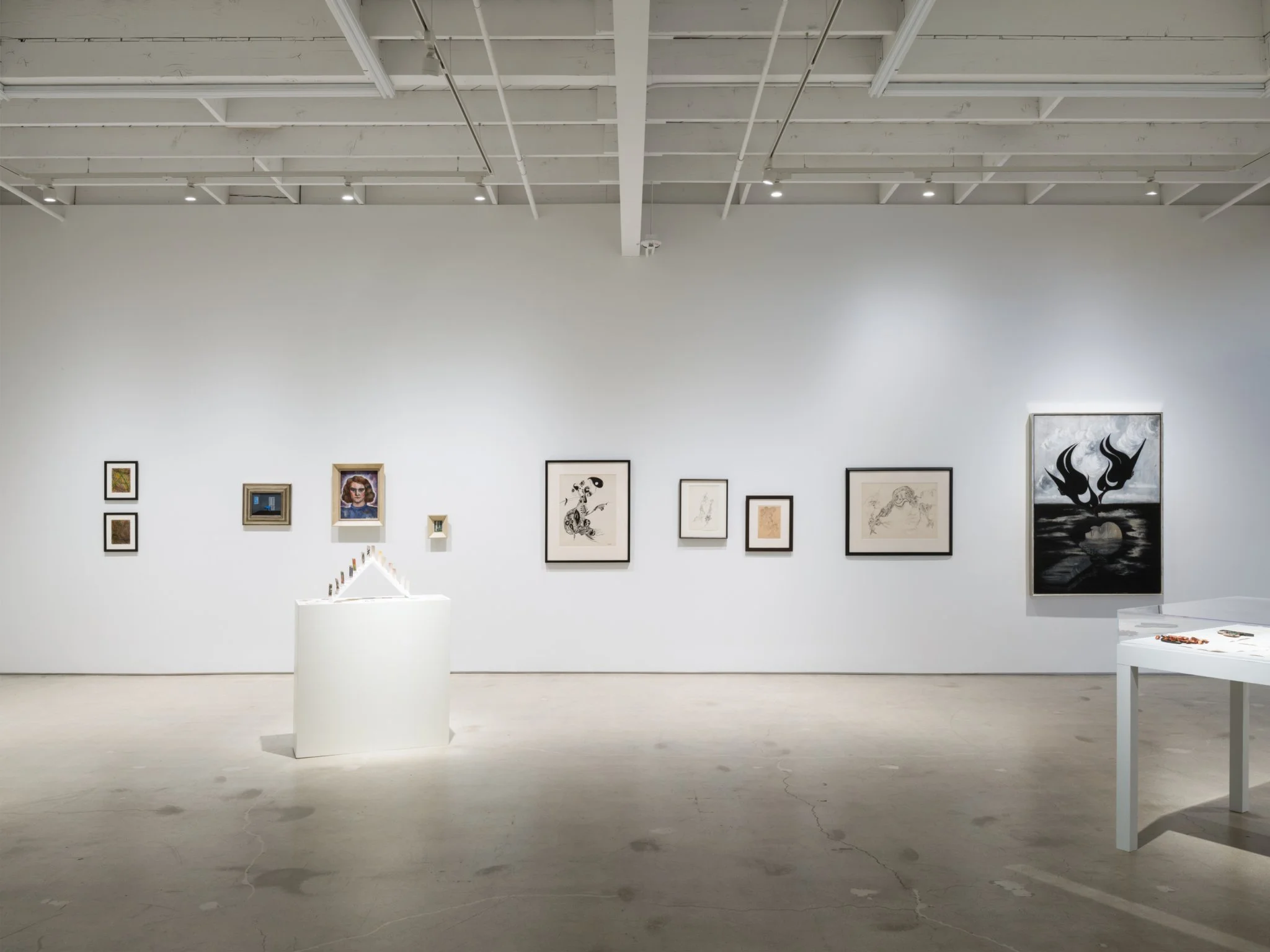
Dictation from the Other Side brings together artists who, across a range of media, techniques, and generations, worked in and extended the Surrealist tradition. This includes those the Surrealists considered “channelers”—figures who gave form to signals from beyond this world—and the following generations, whose practices built on their legacies. The artists in this exhibition turned away from the notion of singular subjectivity or artistic voice, instead exploring authorship as shared, displaced, or subordinated to a force or intelligence external to their own will—dictation, this exhibition asserts, is a missing term in the history of modernist art.
Building on Surrealism’s investment in mediums and receivers—above all Spiritualist medium and the Surrealists’ “muse of automatic writing” Hélène Smith—the exhibition follows dictation across mediumship, automatism, poetic composition, hermetic research, theosophically inflected abstraction, and the improvisatory structures of jazz. It attends in particular to the community of Surrealists living in exile in New York during and after World War II—Kurt Seligmann, Roberto Matta, Enrico Donati, Esteban Francés, André Masson, and Jacqueline Lamba—for whom Enochian rites and hermetic practices offered forms of psychic resistance to oppressive forces. Dictation from the Other Side treats these forms not as biographical curiosities but rigorous methodologies, asking: how does modern art history change when form is understood as received rather than invented?
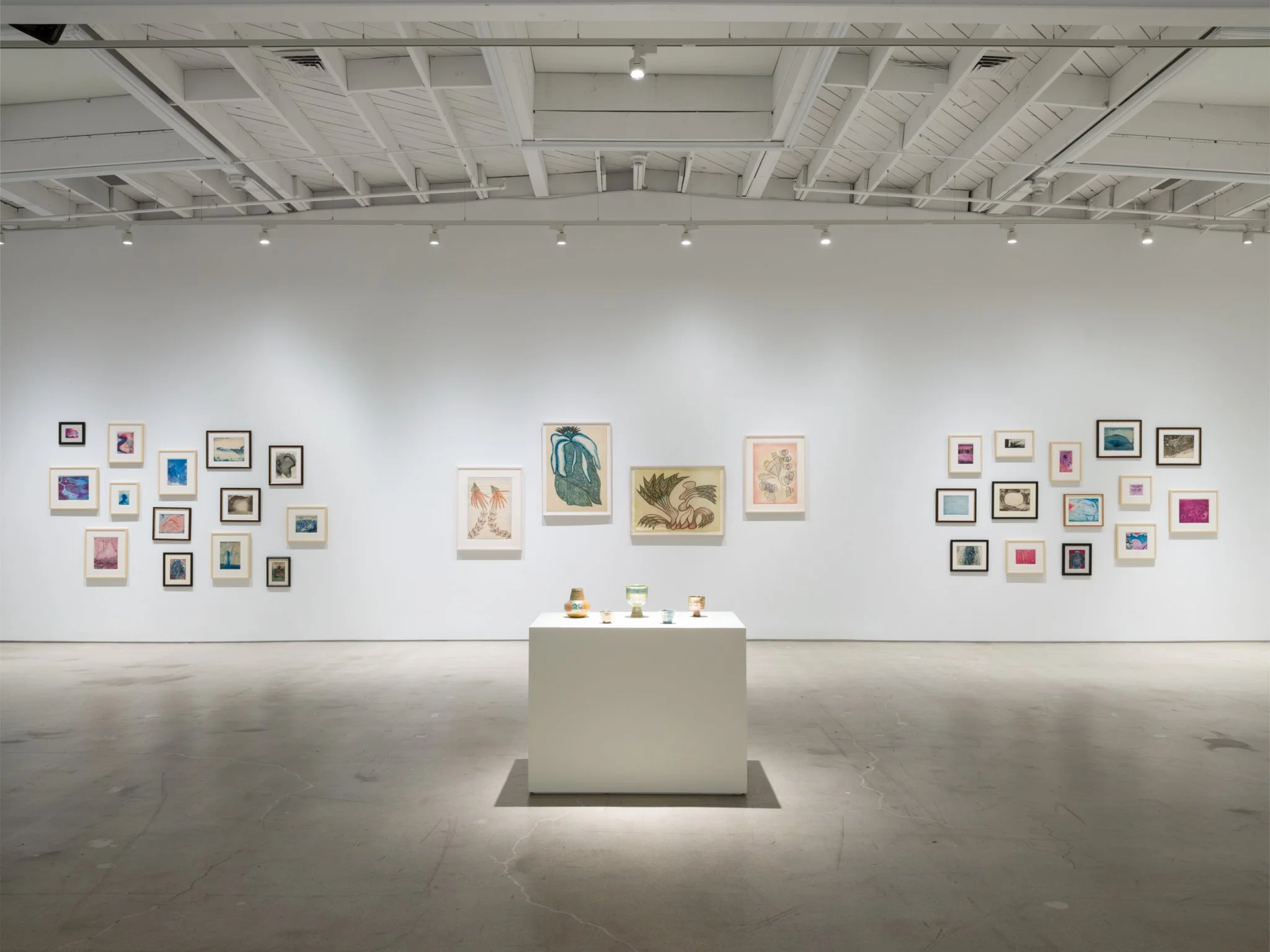
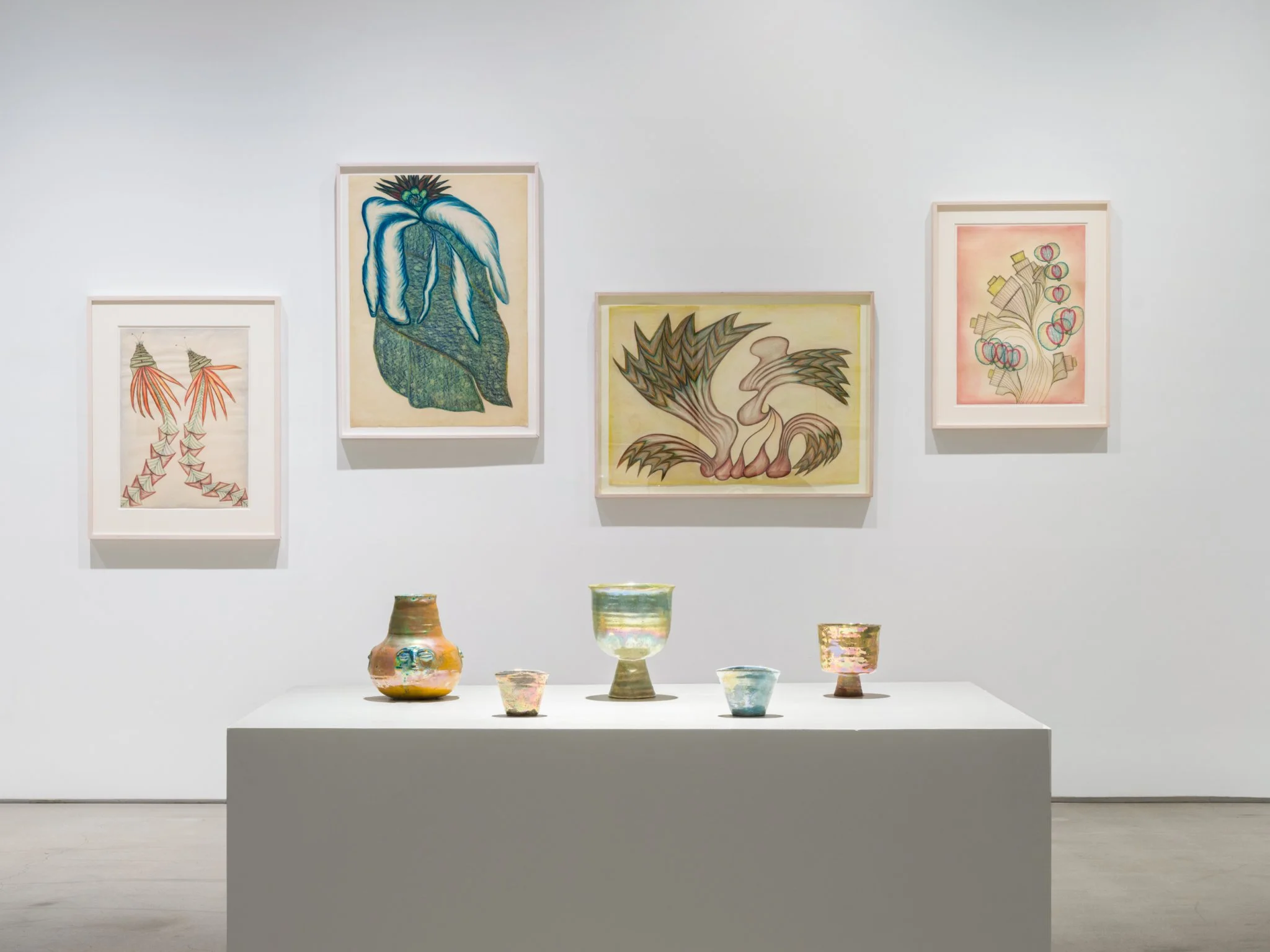
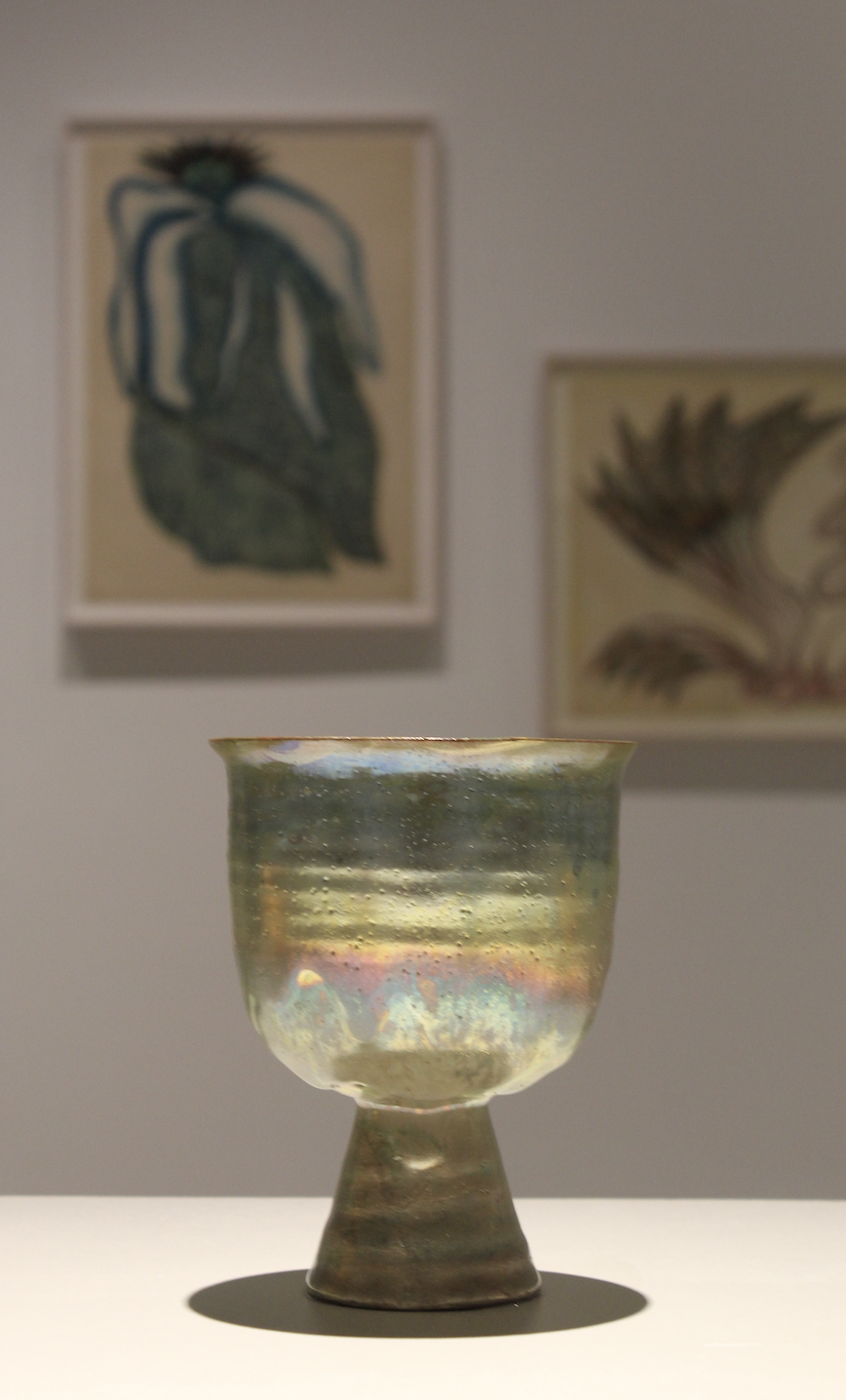
For artists Marian Spore Bush, Paulina Peavy, and Madge Gill, dictation from the unknown extended into fully elaborated systems of prophecy and cosmology. Gill attributed her vast corpus of drawings and textiles to a spirit she called “Myrninerest”; Peavy understood her paintings, masks, and diagrams as collaborations with the Etherian intelligence Lacamo; Spore Bush spoke of “They” or “the People” directing her hand and materials. Beatrice Wood—through her long relationship with Marcel Duchamp and sustained engagement with theosophical thought—treated ceramic glaze and form as part of an alchemical quest, turning the kiln into a site where matter and color undergo carefully staged transformations beyond decoration. These artists and the Finnish Theosophist Aleksandra Ionowa believed that plant life was the lattice through which psychic, spiritual, and emotional orders of experience take form within the visible world. This is also latent in Anna Zemánková’s imaginative botanies.
Poetry as a central medium of dictated form is foregrounded in the work of Peavy, George Herms, Wallace Berman, Ted Joans, Cameron, and Jacqueline Lamba. William S. Burroughs extended this logic through cut‑up and collage procedures, in which language is subjected to interruption, recombination, and external pressure.
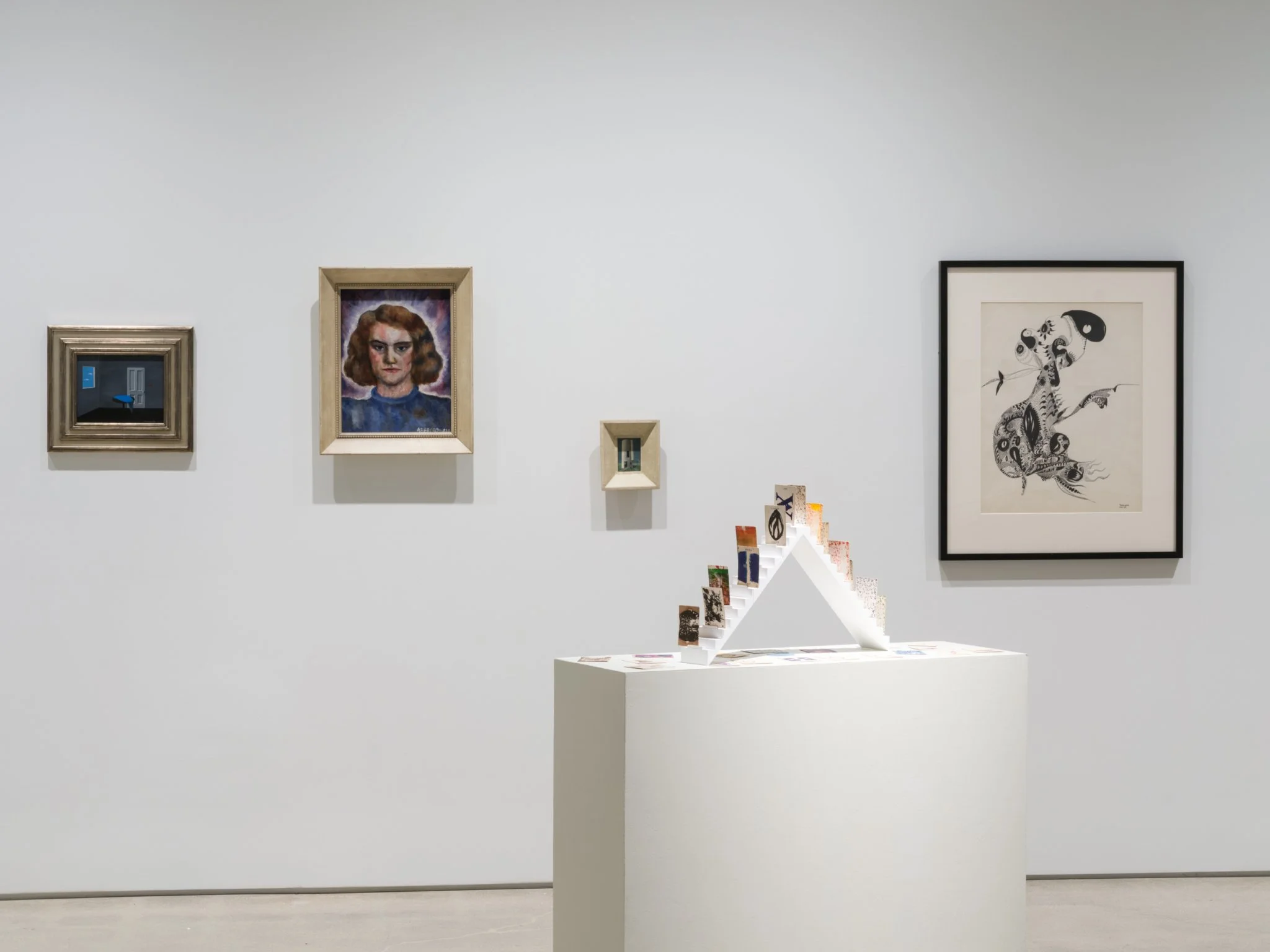
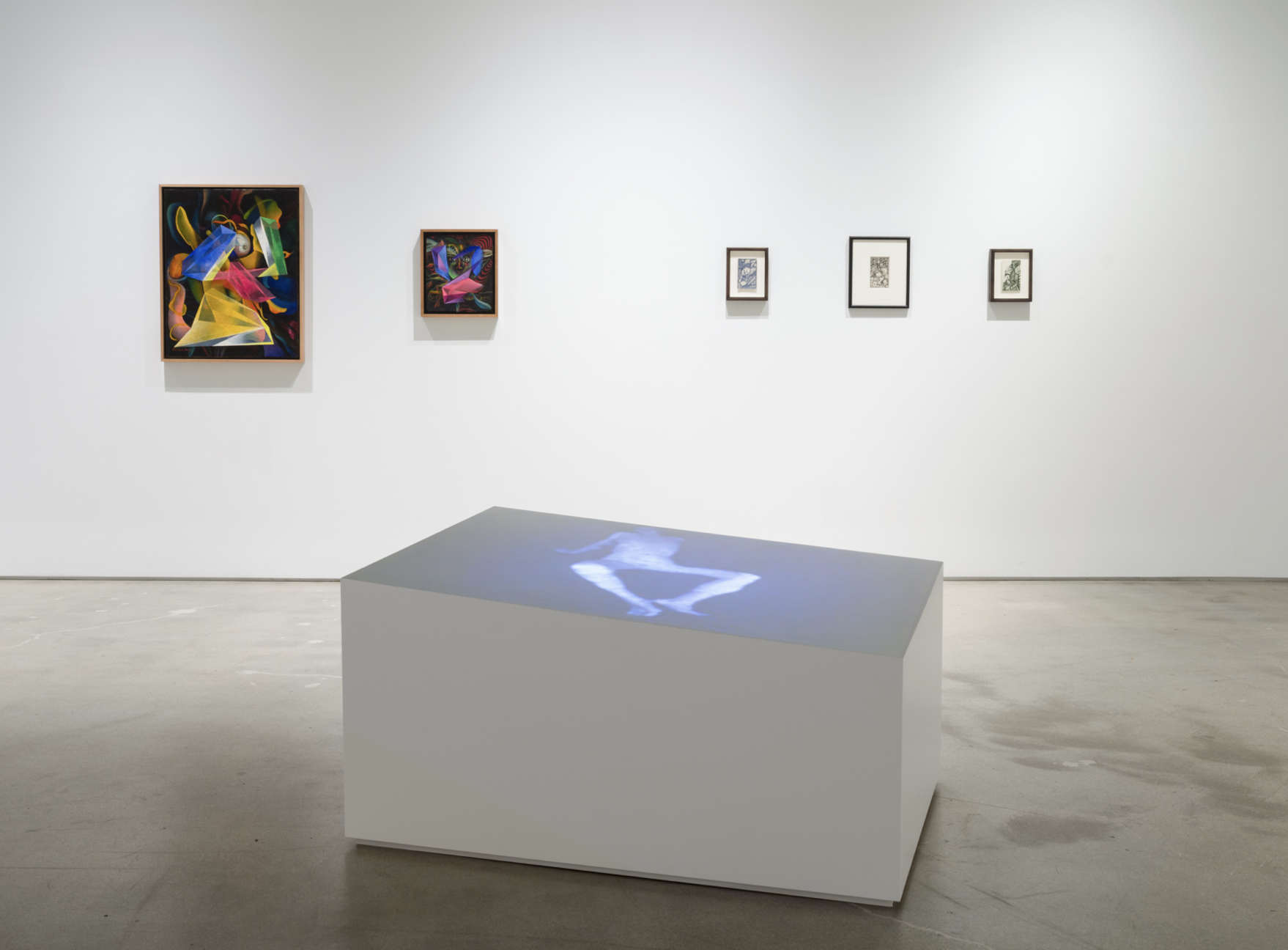
The exhibition also features little-known artworks made in Lionel and Joanne Ziprin’s Lower East Side salon. As part of the Ziprins’ short-lived greeting card enterprise, Harry Smith, Jordan Belson, and Bruce Conner were enlisted to produce small, hand-drawn mail art and ephemera featuring folding diagrams and astrological and Kabbalistic motifs. In this context, Ziprin’s apartment and the “greeting cards” and other artworks produced therein are understood as engines of dictated graphic culture, where records, tapes, mail, and poetry form a continuous experimental field. Jazz in particular offered a parallel technology of transmission for Smith, Conner, and Ziprin, who joined other close friends of Charlie Parker including Gertrude Abercrombie, Berman, Cameron, Joans, and Arthur Monroe in treating Parker’s music as a model for receiving, recombining, and relaying material that exceeds the solitary author, making Harmolodic improvisation a lived analogue for dictation itself.
For these figures, image-making, writing, and composition were not acts of self-expression but disciplined feats of transcription and reception. The works in this exhibition invoke hermetic and esoteric vocabularies in resistance to tyrannical forces or in the service of healing.
—Laura Whitcomb
Closing Statement
EMS Coverage of the show
Dictation from the Other Side offers a history of the variegated metaphysical strains operating in tandem with atavistic notions of resistance across twentieth-century art. Across its two rooms, the exhibition brings into view the unconscious, dream, ritual, chance, material intelligence, musical improvisation, ancestral knowledge, spirit, and the collective force of images. These practices did not form a coherent movement, and the artists did not share a single belief. What they shared was a refusal of the world as it had been made available to them.
They sought the metaphysical as tools for peace and balance rather than material gain. They used themselves as instruments and interlocutors in order to bring their viewers into a domain that often becomes prohibitive: a domain in which the terms of reality are not established in advance by the state, the market, the institution, the machine, or the authority of sanctioned knowledge. The work is not a retreat from politics into the occult. It begins from the recognition that political power reaches into consciousness itself, and that any serious opposition must contest the mechanisms through which perception, desire, memory, language, and fear are organized.
The first room begins with the Surrealists’ arrival in New York under the pressure of war and displacement. Their turn toward magical traditions, Kabbalah, alchemy, automatism, and ritual must be understood in relation to fascism’s seizure of mythic and symbolic force as it reorganized symbols, myth, archetype, dream, and collective feeling, making them serve domination. The Surrealists and their American interlocutors understood that one could not answer such an apparatus only by opposing its visible institutions. They sought counter-symbols, counter-rituals, counter-images, and counter-transmissions. Their work attempted to break the spell by which power installs itself inside perception.
That is the substance of their dissent. It lies in refusing the monopoly of official reality. A magical ritual, an automatic image, a bebop improvisation, a Kabbalistic diagram, a collage, or an occult publication could become a site at which the world’s administered meanings were interrupted. These practices did not claim innocence. They took place in the same charged territory of myth, ritual, and the unconscious that authoritarianism had exploited. But they redirected that territory away from obedience, hierarchy, extraction, and death, toward collective transformation, protection, erotic freedom, irreverence, and the difficult work of imagining a world otherwise.
The historical instances gathered in this exhibition show that collective philosophies and collaborations in metaphysical technologies have enabled artists and their communities to outlast and, at crucial moments, overcome authoritarian force. They did so by keeping alive forms of relation that authoritarian systems require people to abandon: friendship, ritual, study, sound, gatherings, images, and collaboration. Their philosophies moved through friendship, ritual, study, sound, gatherings, images, and collaboration, assembling a counterforce where authoritarian power demands isolation, obedience, and psychic defeat.
What connects these works is not a single doctrine, nor a claim that all of these artists were channelers. It is their conviction that art could open onto forms of knowledge and experience that exceed the sovereign, rational self. Some artists named spirits or intelligences with whom they worked; others located this encounter in the unconscious, improvisation, memory, chance, ritual, material process, or the generative intelligence of plant life. The second room gathers the resulting practices of dictation: trance, dreams, clairvoyance, automatic drawing, esoteric cosmologies, and the unpredictable behavior of materials. What joins them is not a creed, but a willingness to work without claiming complete command over what would appear.
That question returns now with renewed force. The vast movement of autocratic power from humanity to the machine is not simply a rearrangement of labor, information, or decision-making. It is the further subjugation of the human to systems whose purpose is accumulation, surveillance, extraction, and control. The human being is pressed into the role of a usable remainder: a profile to be harvested, a body to be optimized, an attention span to be captured, a source of labor, consumption, and data, and a response in great threat of being subjugated. What is disabled is not only public influence, but public feeling itself: the collective sense that human beings can still intervene in the forces that organize their lives.
Their achievement was to refuse psychic defeat. In situations of war, fascism, dispossession, and profound imbalance, artists made themselves instruments and interlocutors in order to enter into relation with forces that could not be converted into property, utility, or command. They sought the metaphysical as tools for peace and balance rather than material gain. Through friendship, ritual, study, sound, gatherings, images, and collaboration, they assembled a counterforce against the psychic and symbolic violences of authoritarianism.
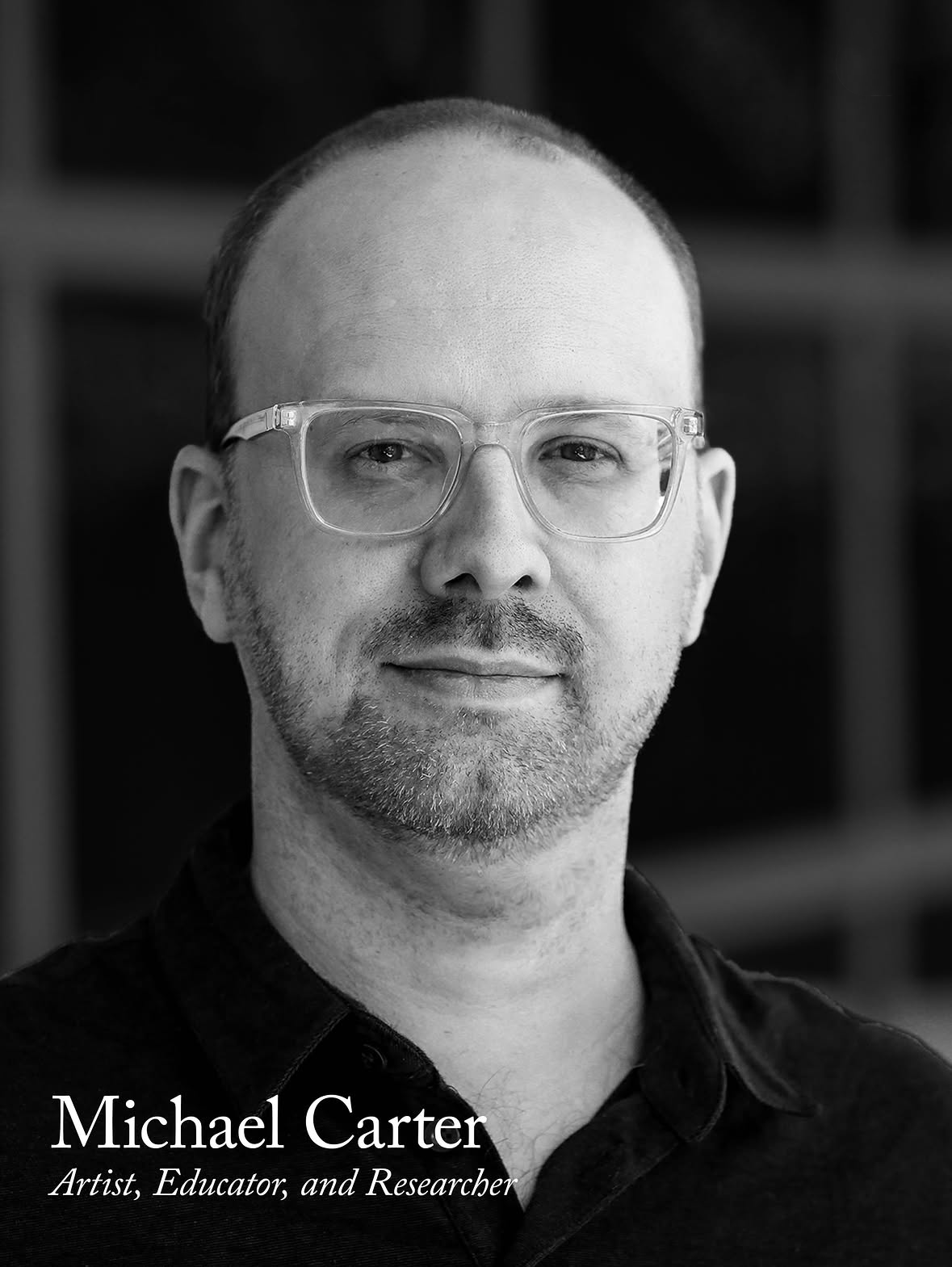
Donati’s Fist condenses this proposition. Created as a talisman for an Enochian ritual associated with the publication of Seligmann’s The Mirror of Magic, it recalls a period in which artists turned to hermetic traditions as a counterforce to fascism’s manipulation of symbols and belief. Yet the raised hand, as Michael Carter pointed out, also anticipates the more familiar twentieth-century emblem of collective struggle. Its force lies in that doubleness: resistance is not only the public gesture of refusal. It is also the work of refusing the inward conditions of subjugation.
To recover this history is not to ask for a return to its historical conditions, or to offer the occult as a remedy. It is to remember that artists have developed ways to remain inwardly ungoverned when conventional avenues of agency seemed foreclosed. They remind us that a disempowered humanity has not lost its capacities altogether. The human capacity to enter in relation with what exceeds us remains available.
The histories gathered here insist that fascism has been met before with psychic resistance, and that war has been opposed through the ritualized intensities of collective life. These metaphysical strains must again be joined, not as a return, but as a living resistance to the autocratic powers now seeking to determine the fate of the human.
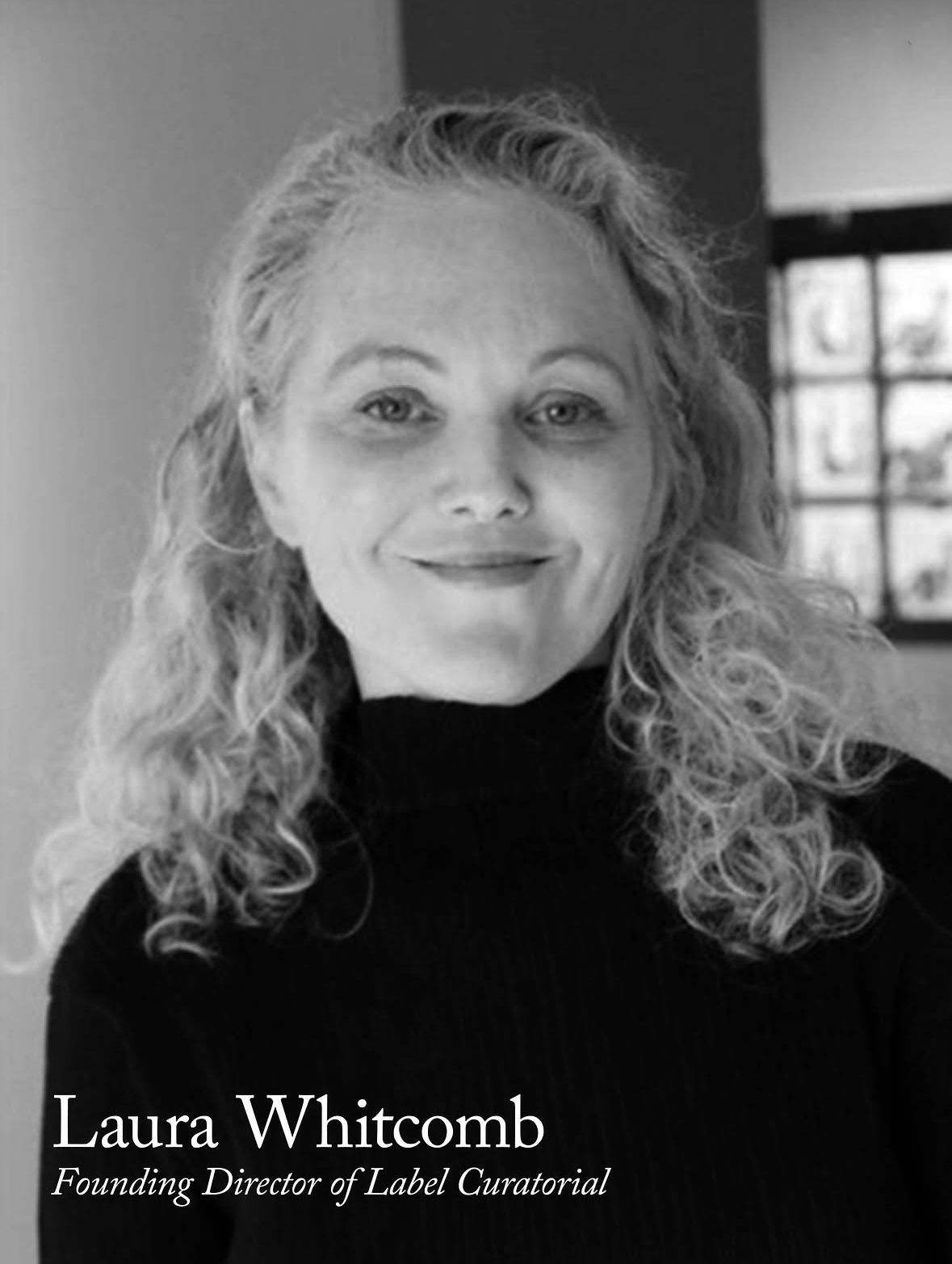
-Laura Whitcomb, Label Curatorial
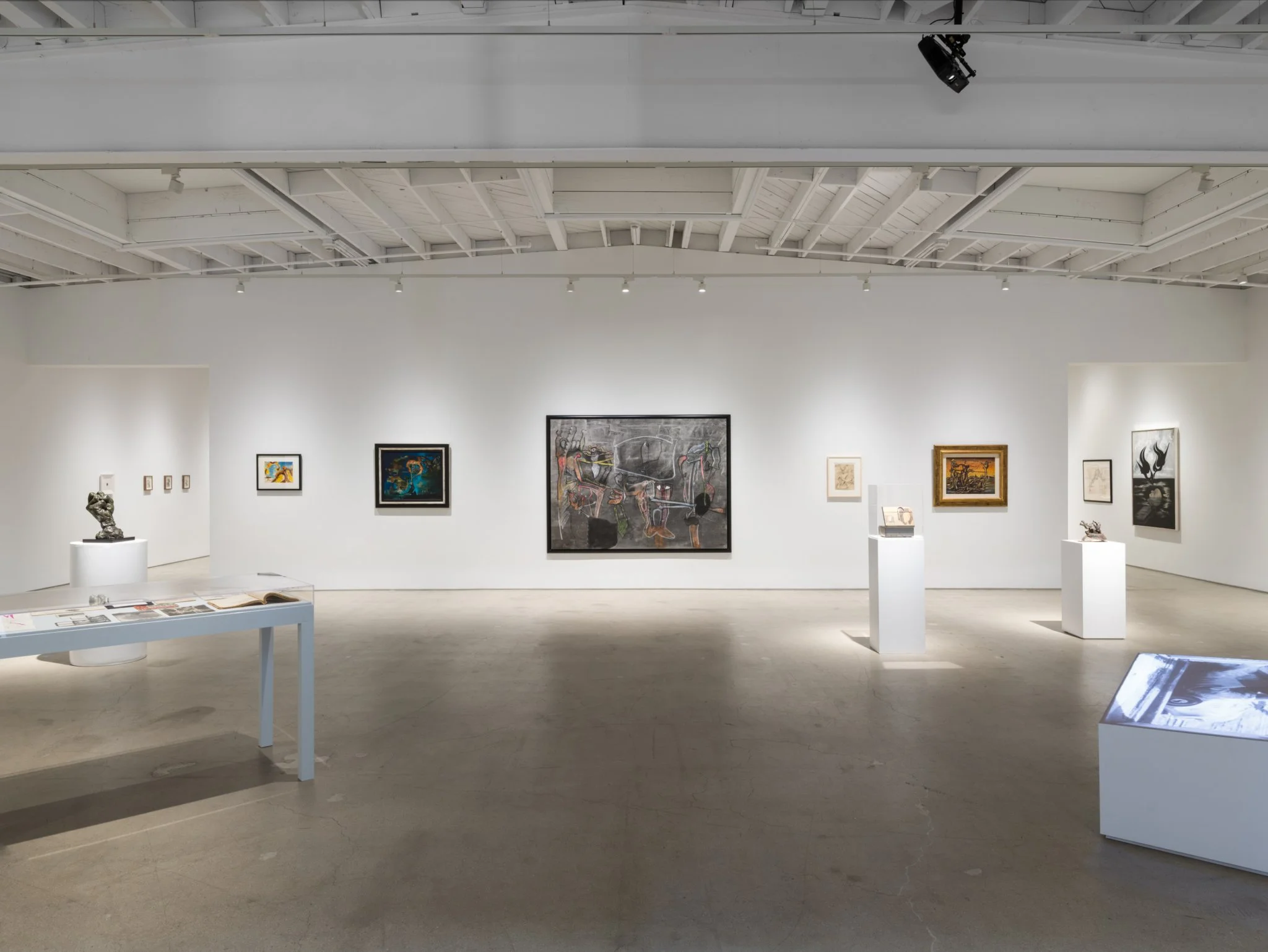
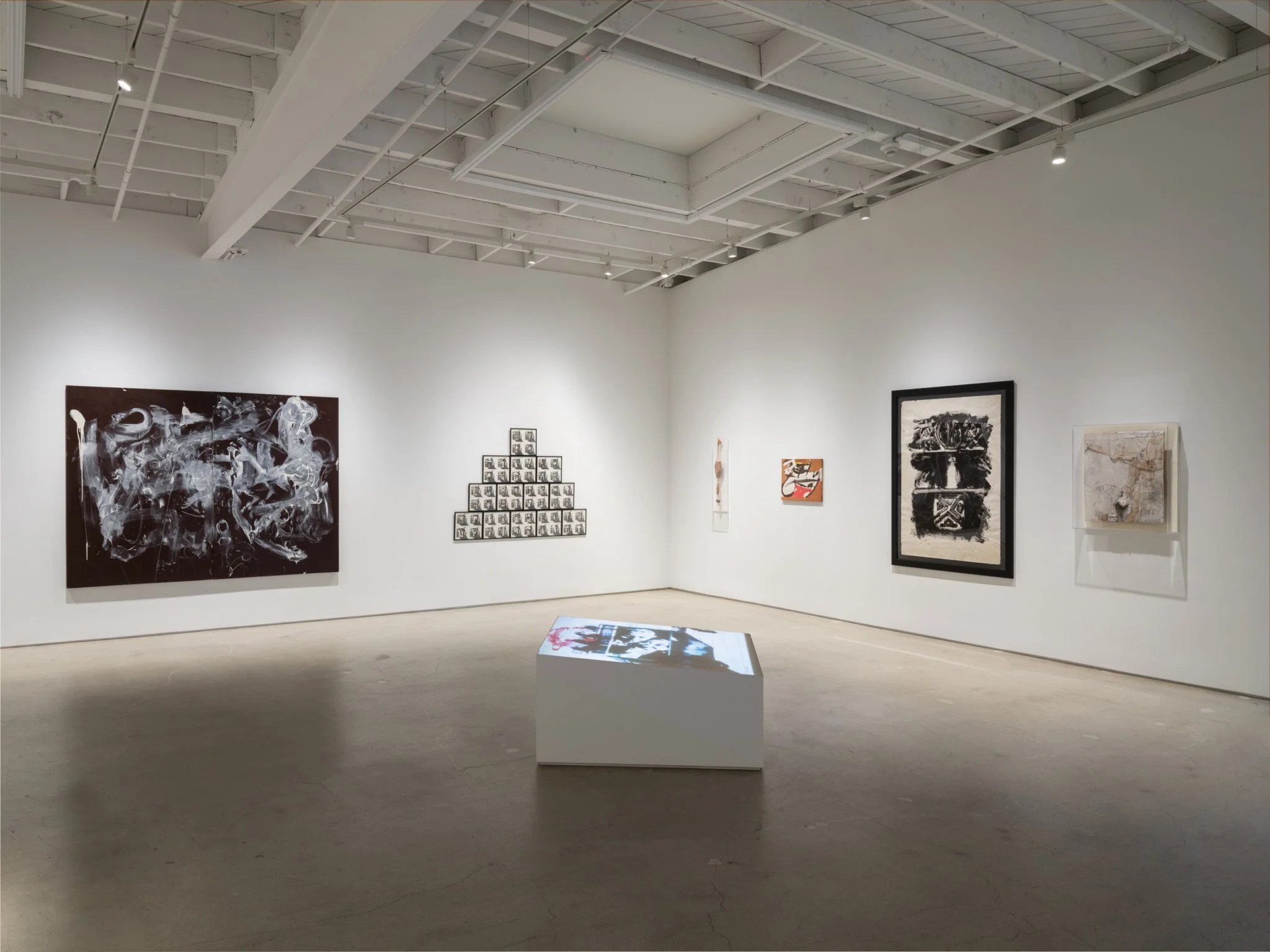
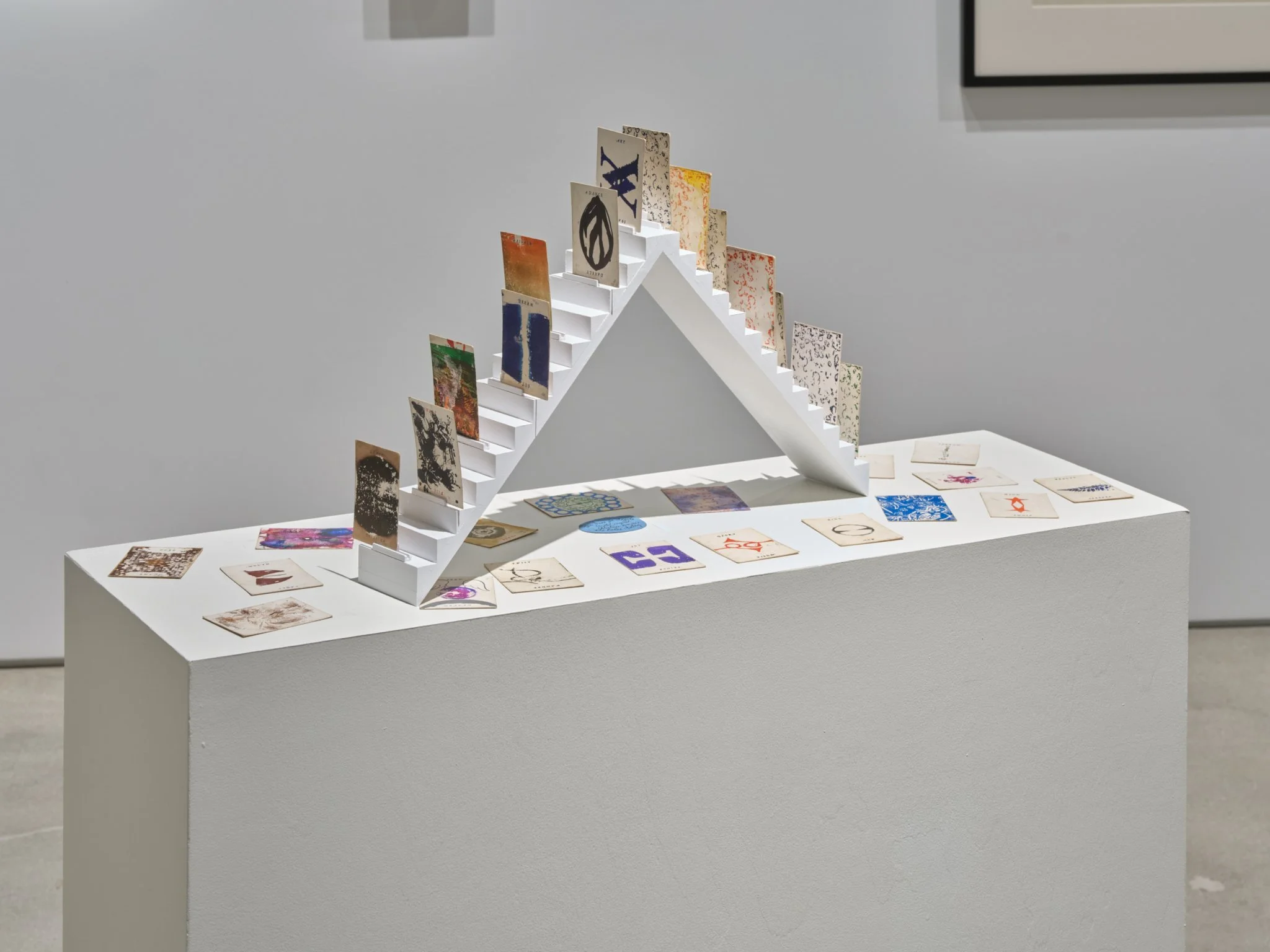
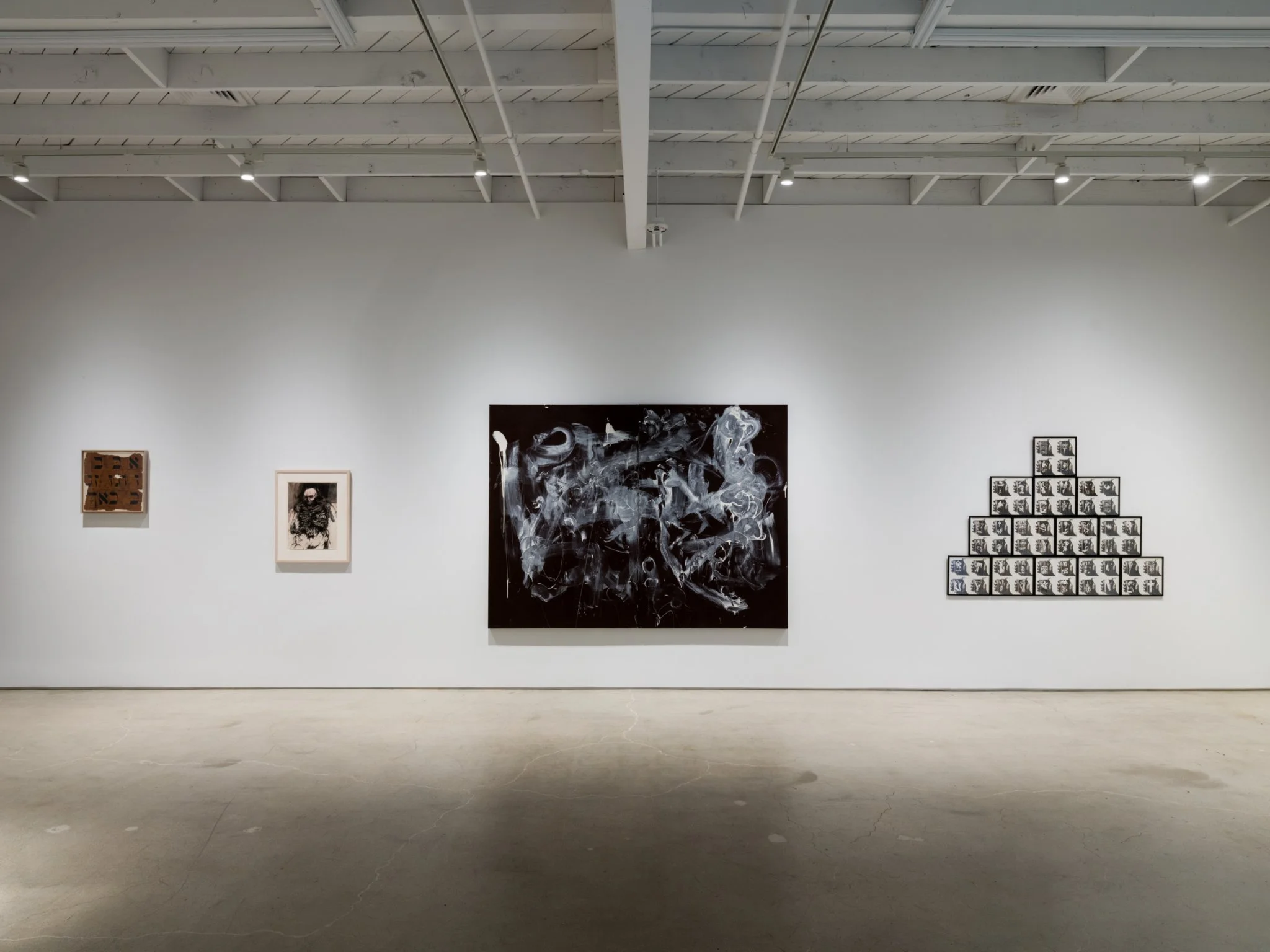
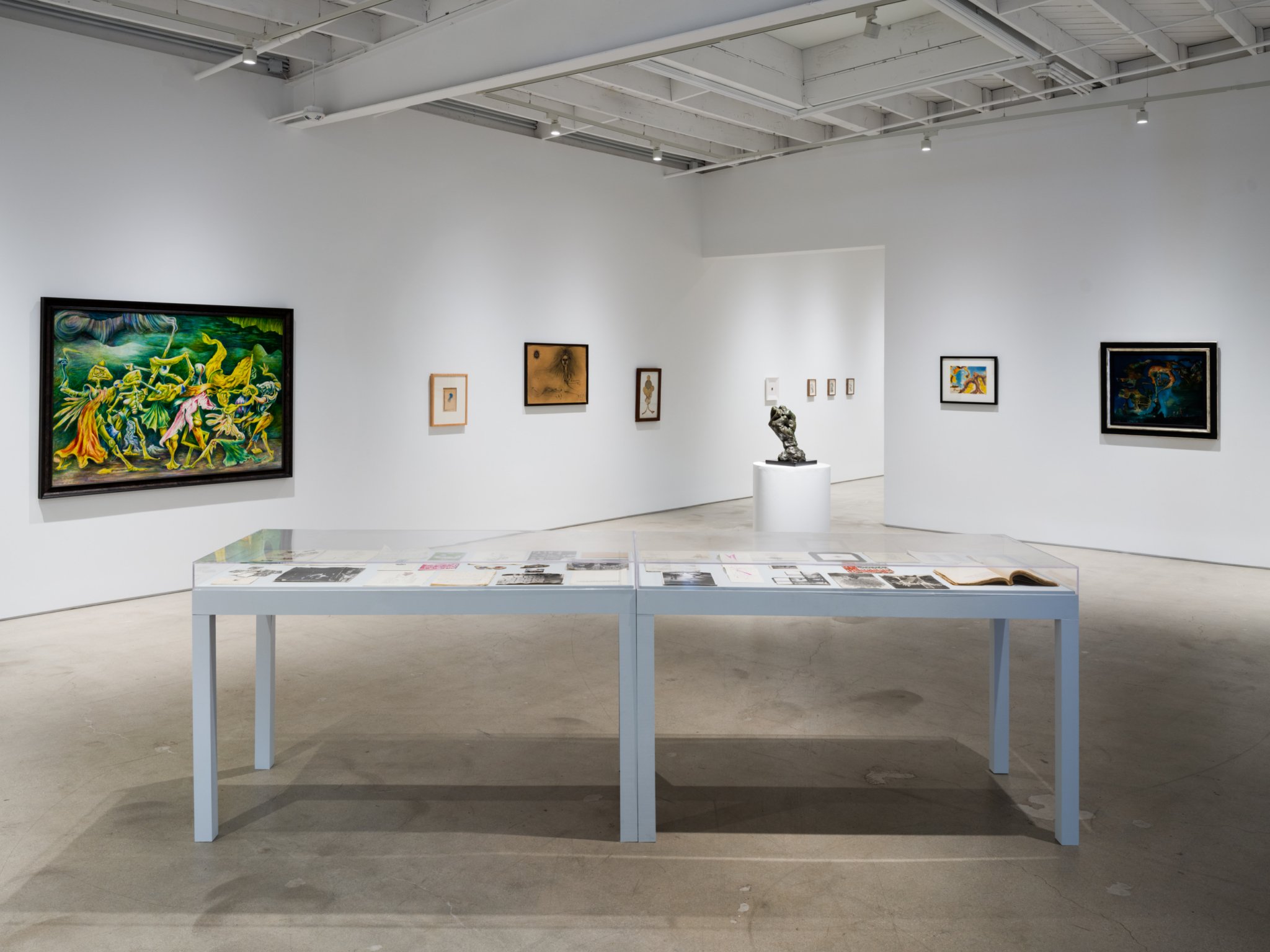
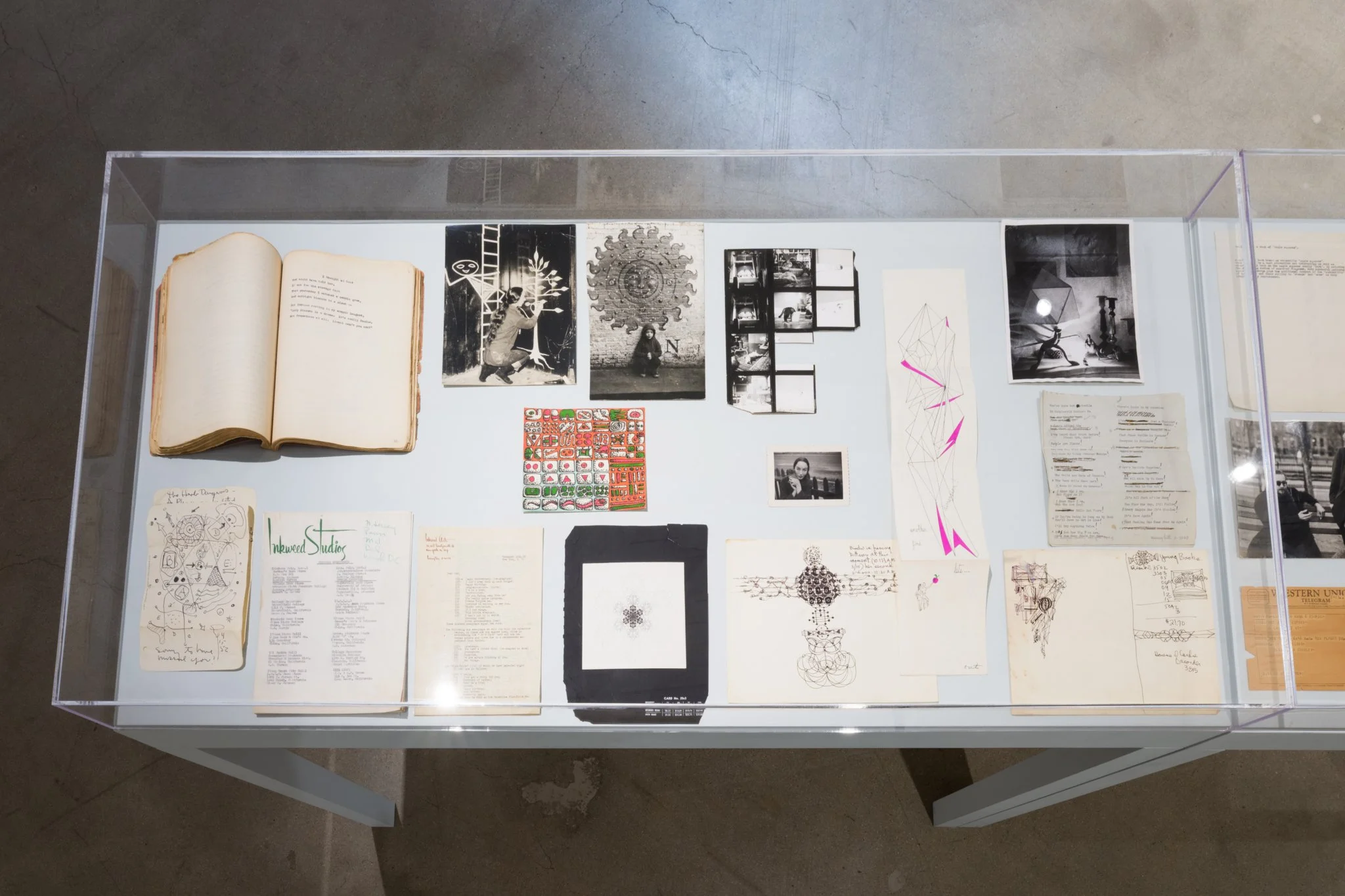
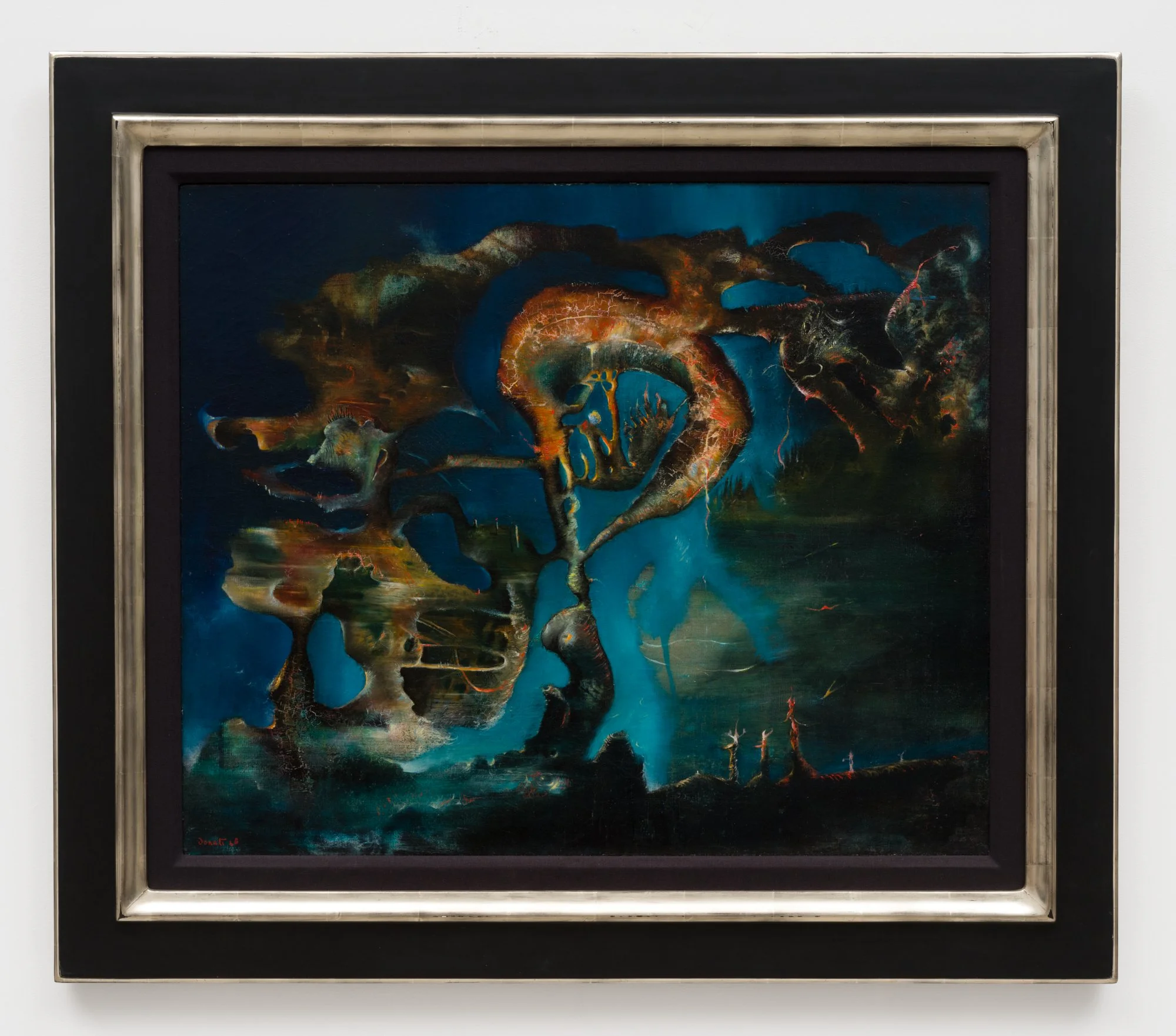
Enrico Donati, Les voyantess etincelles
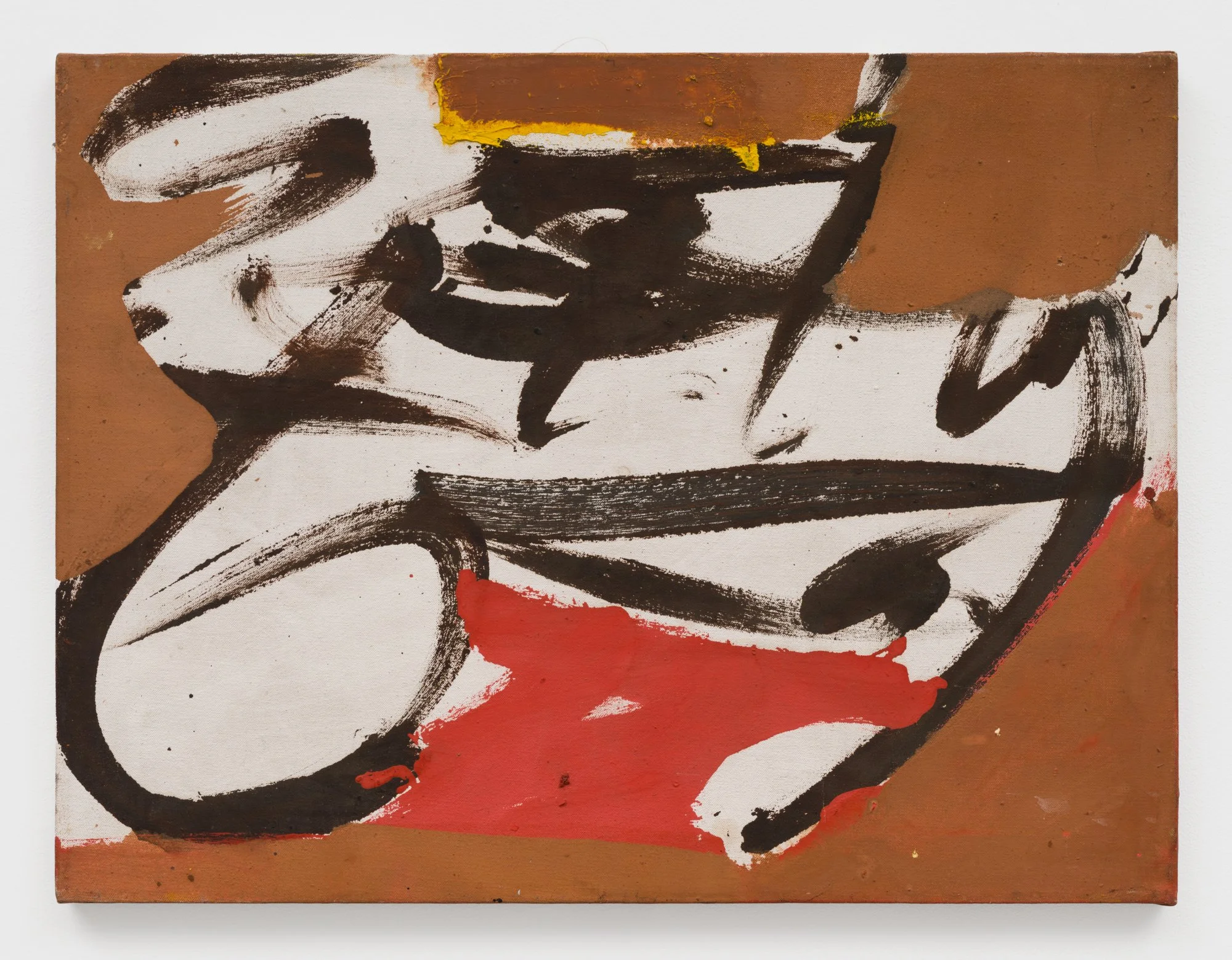
Arthur Monroe, Untitled
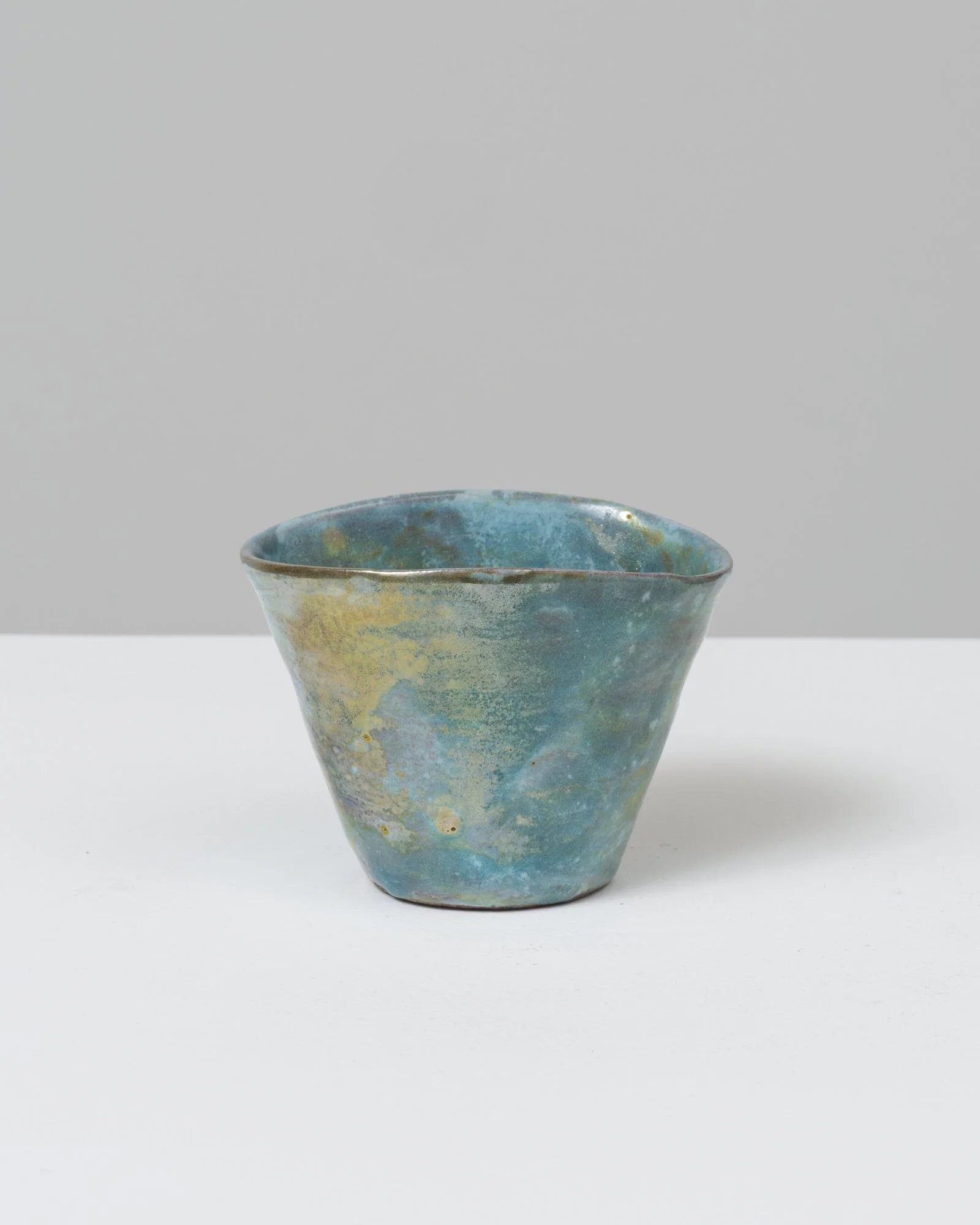
Beatrice Wood, Squeeze Pot
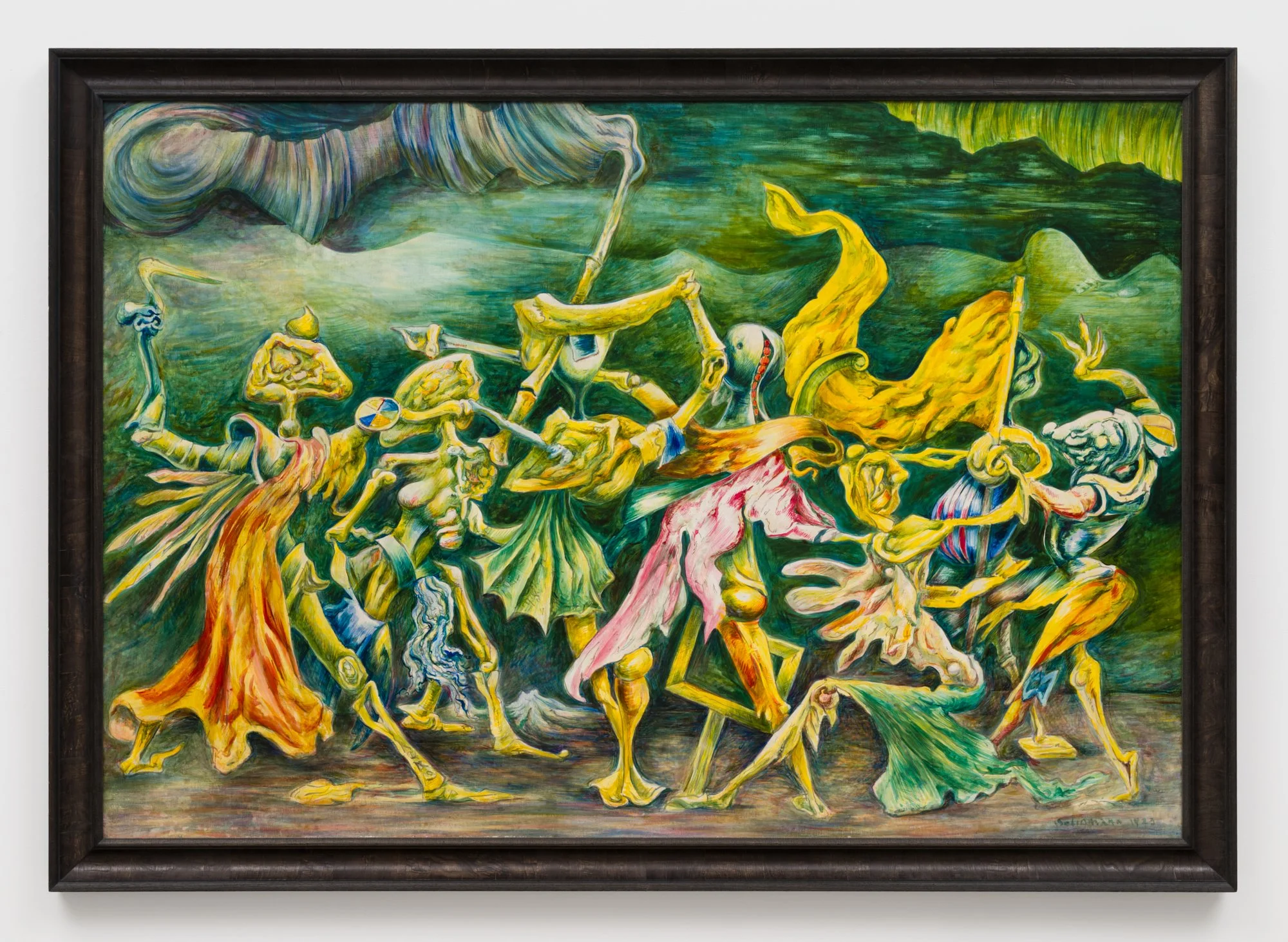
Kurt Seligmann, The Unwelcome Guests
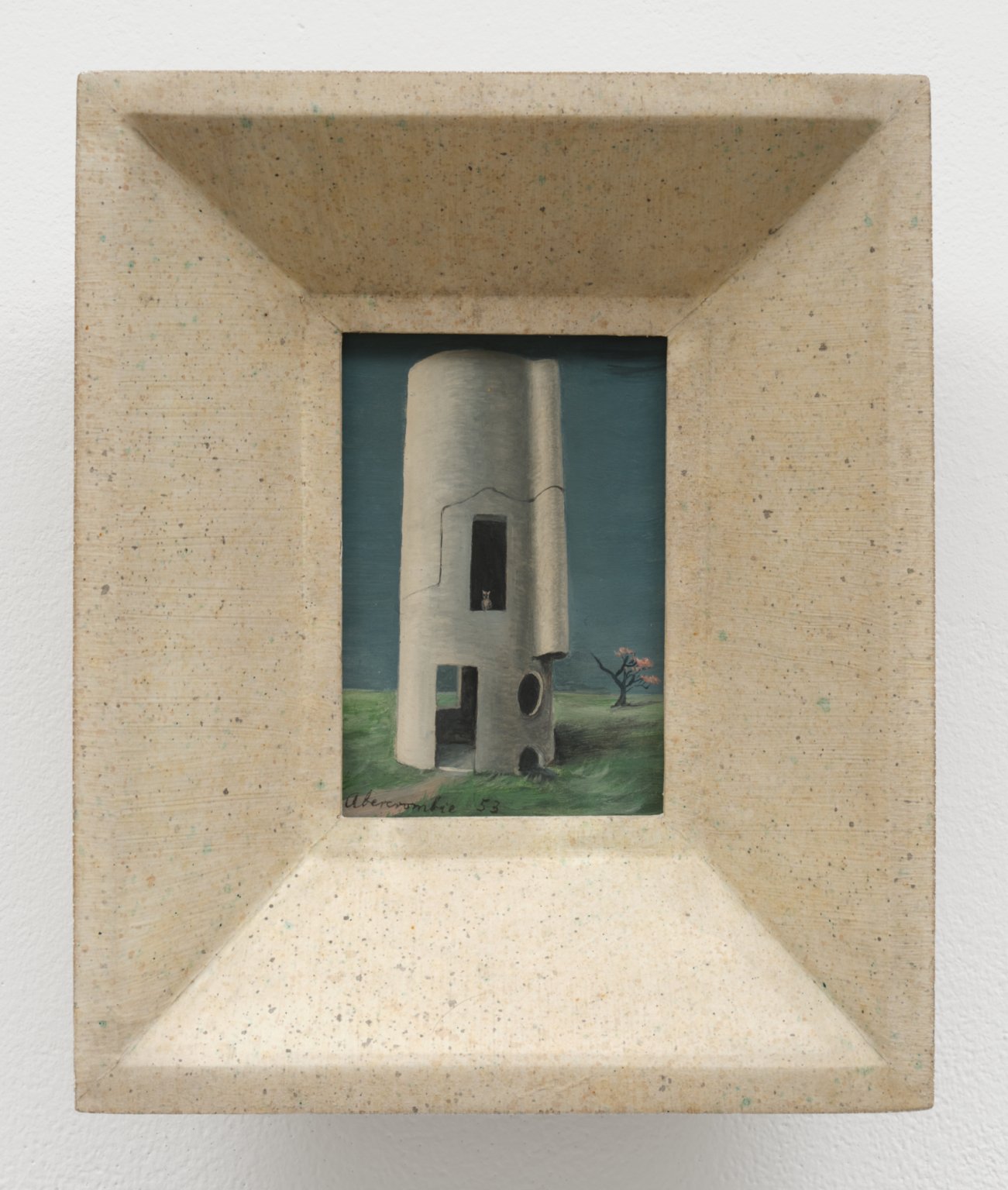
Gertrude Abercrombie, Little Silo
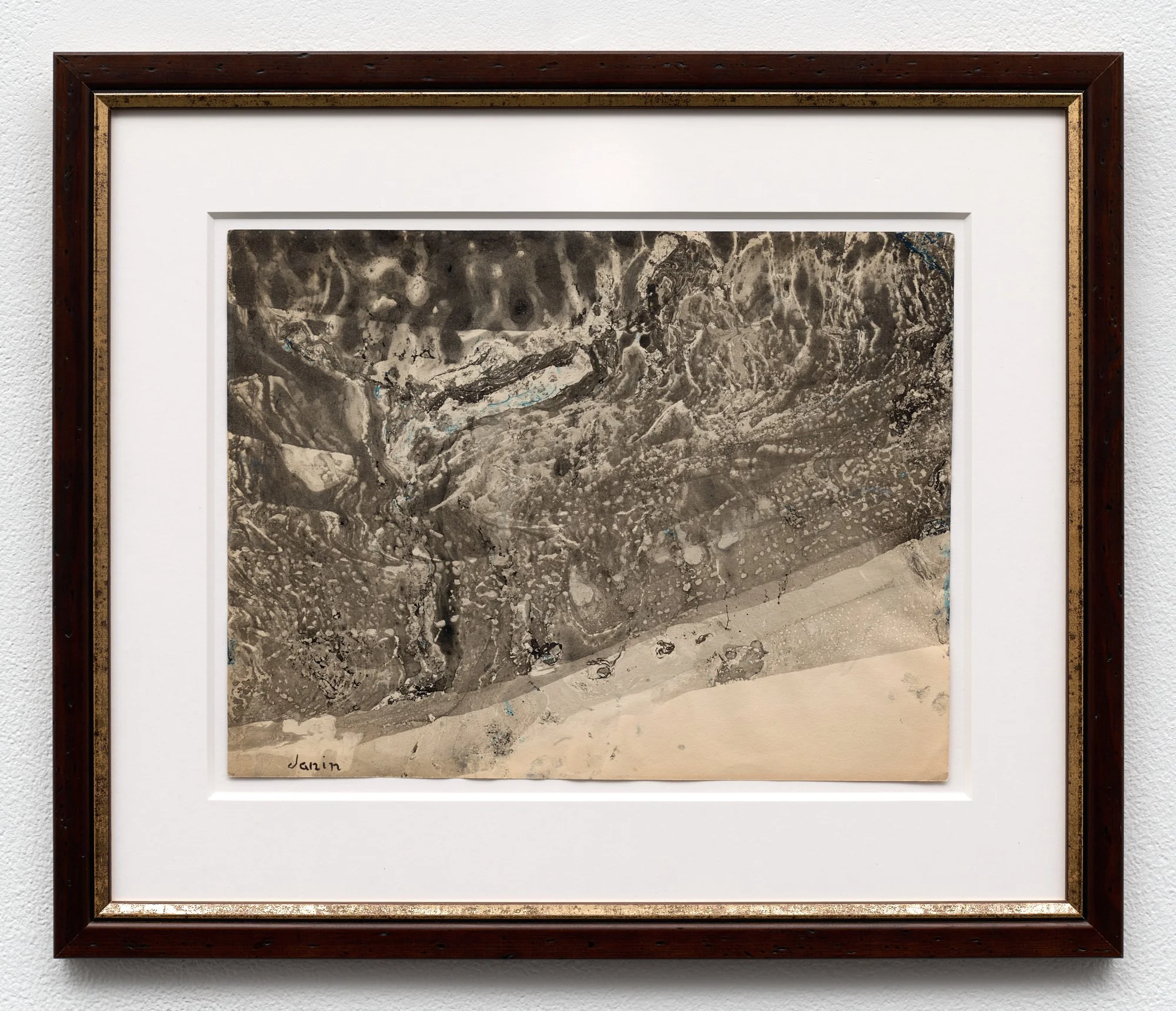
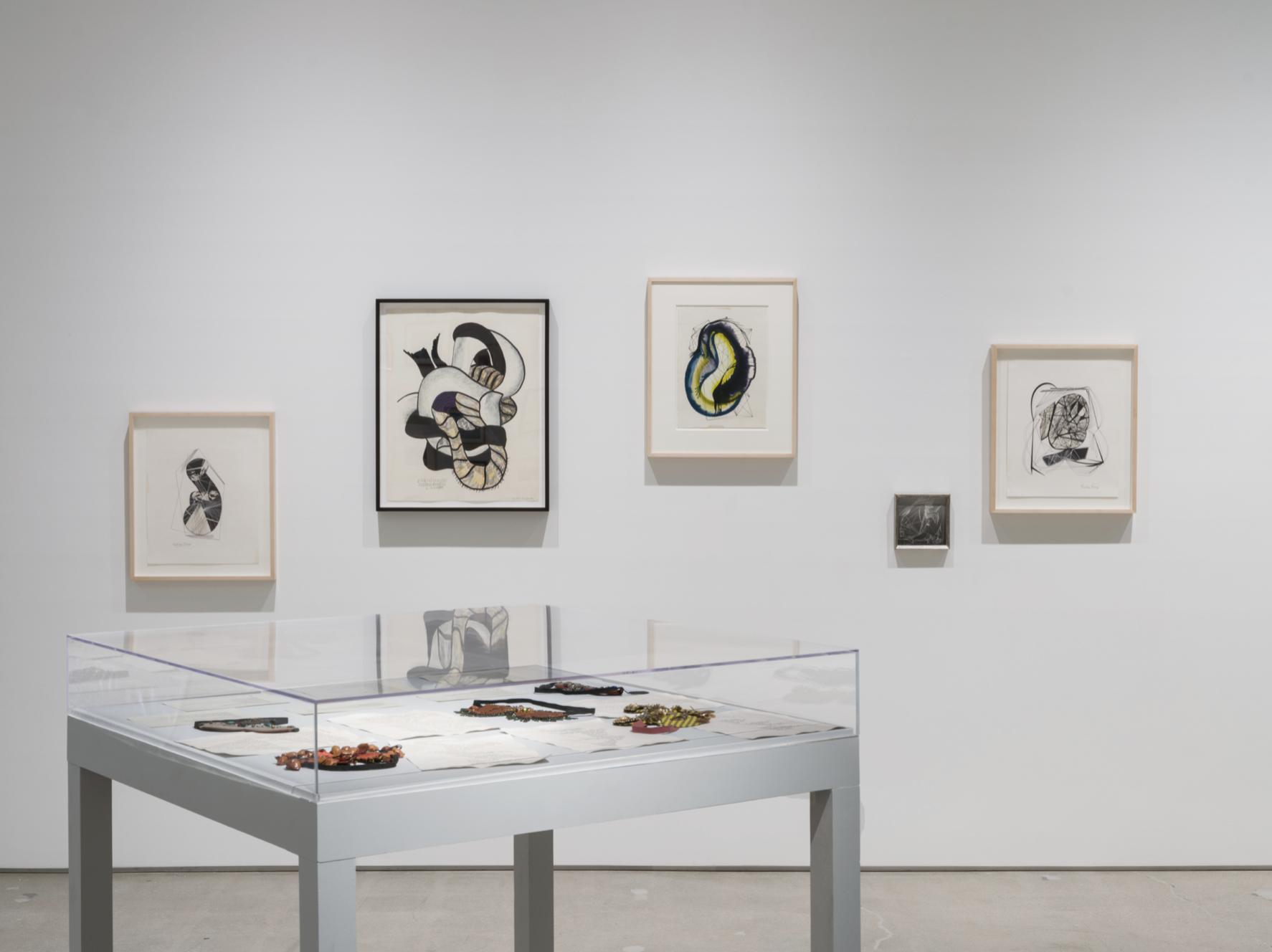
Louise Janin, Cosmogramme
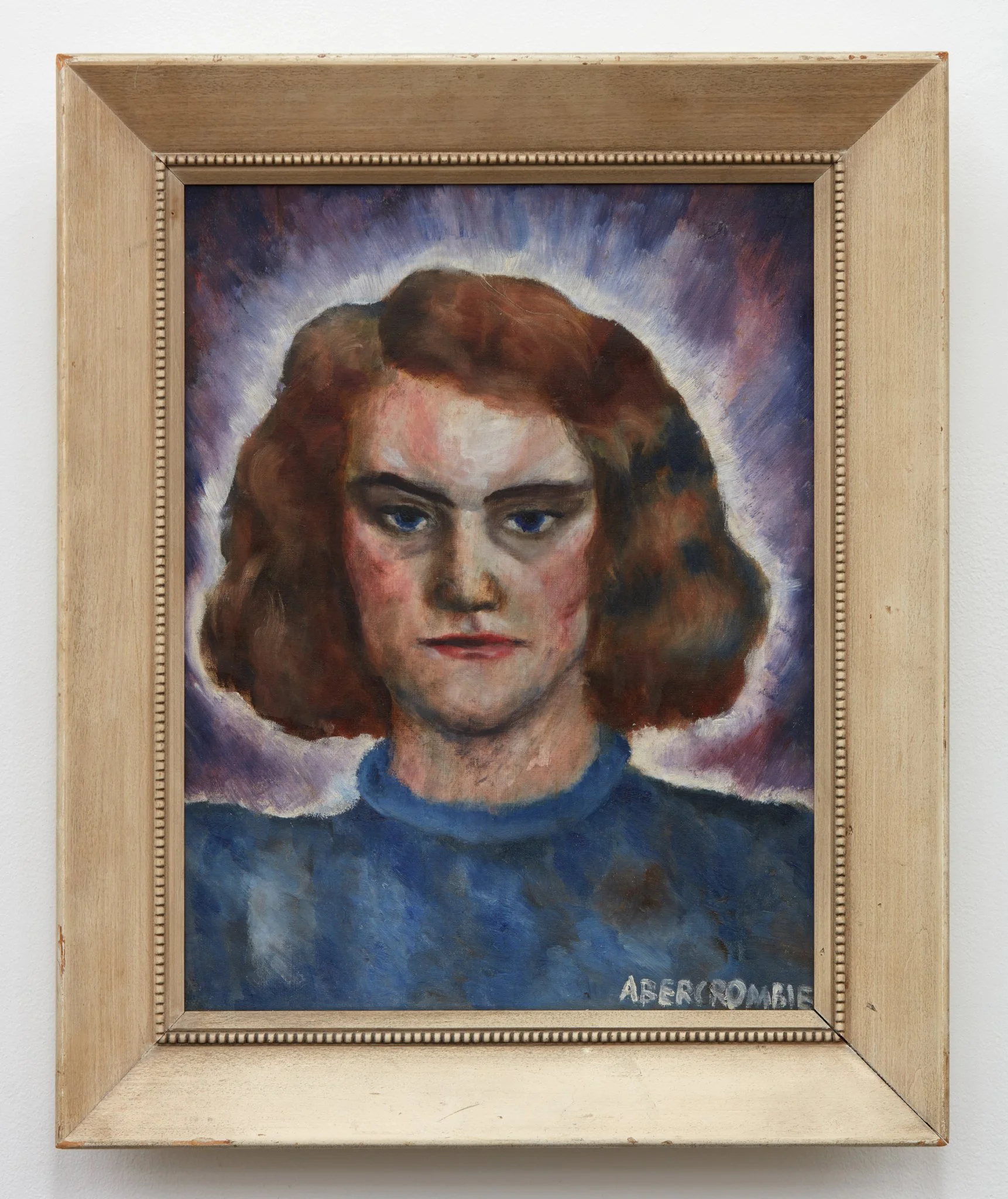
Gertrude Abercrombie, Self Portrait
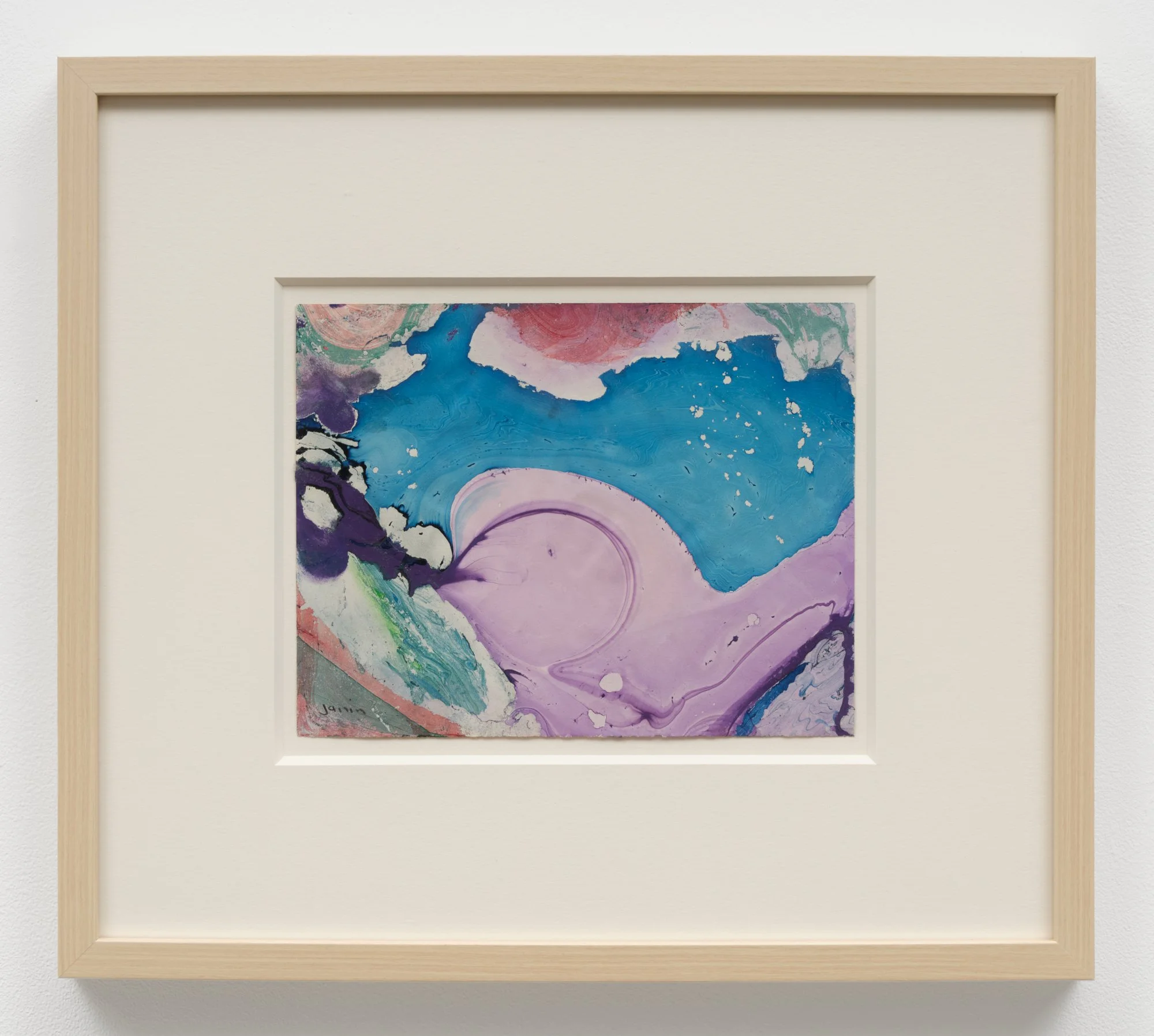
Louise Janin, Cosmogramme 3
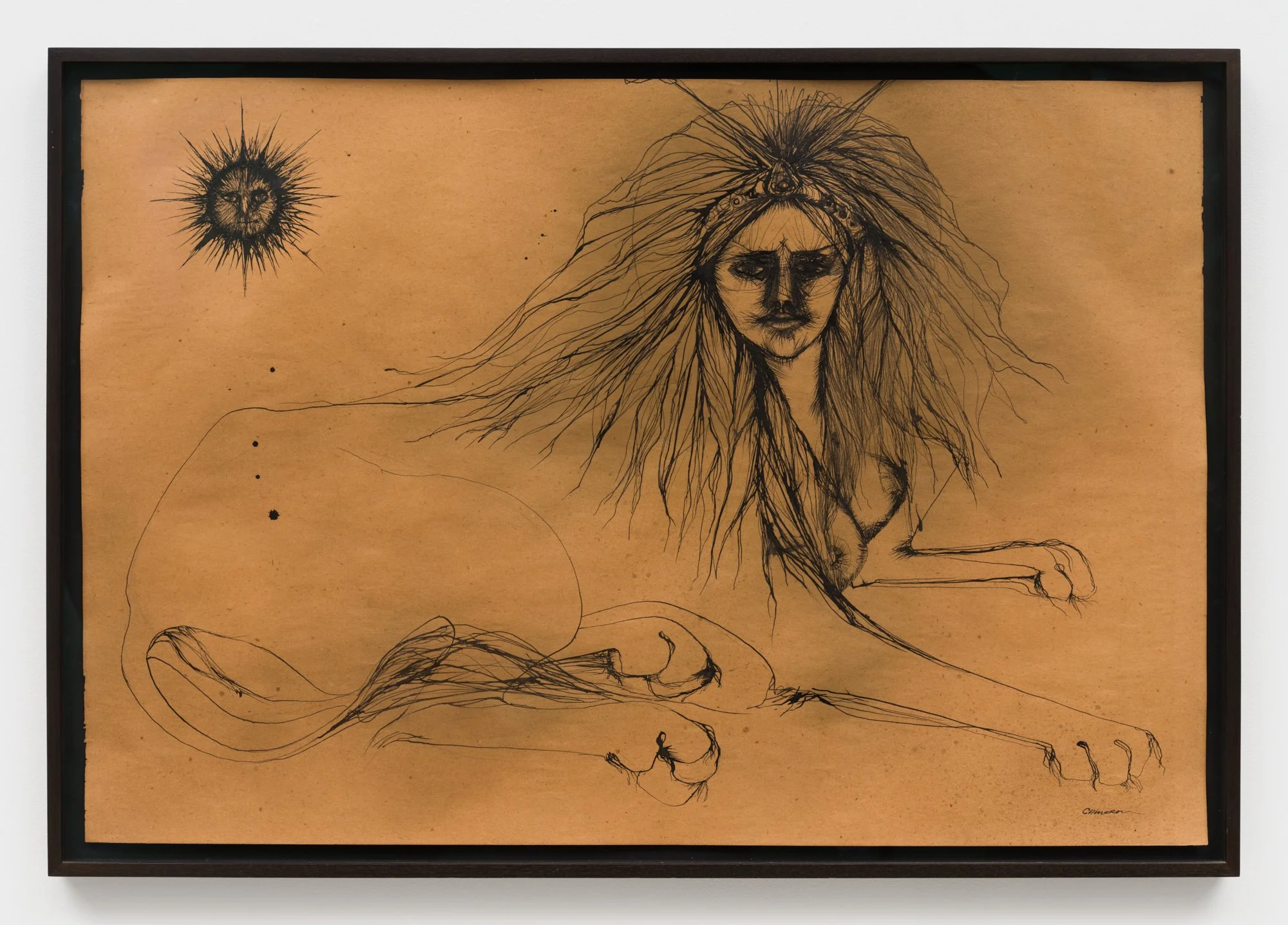
Marjorie Cameron, Sphinx
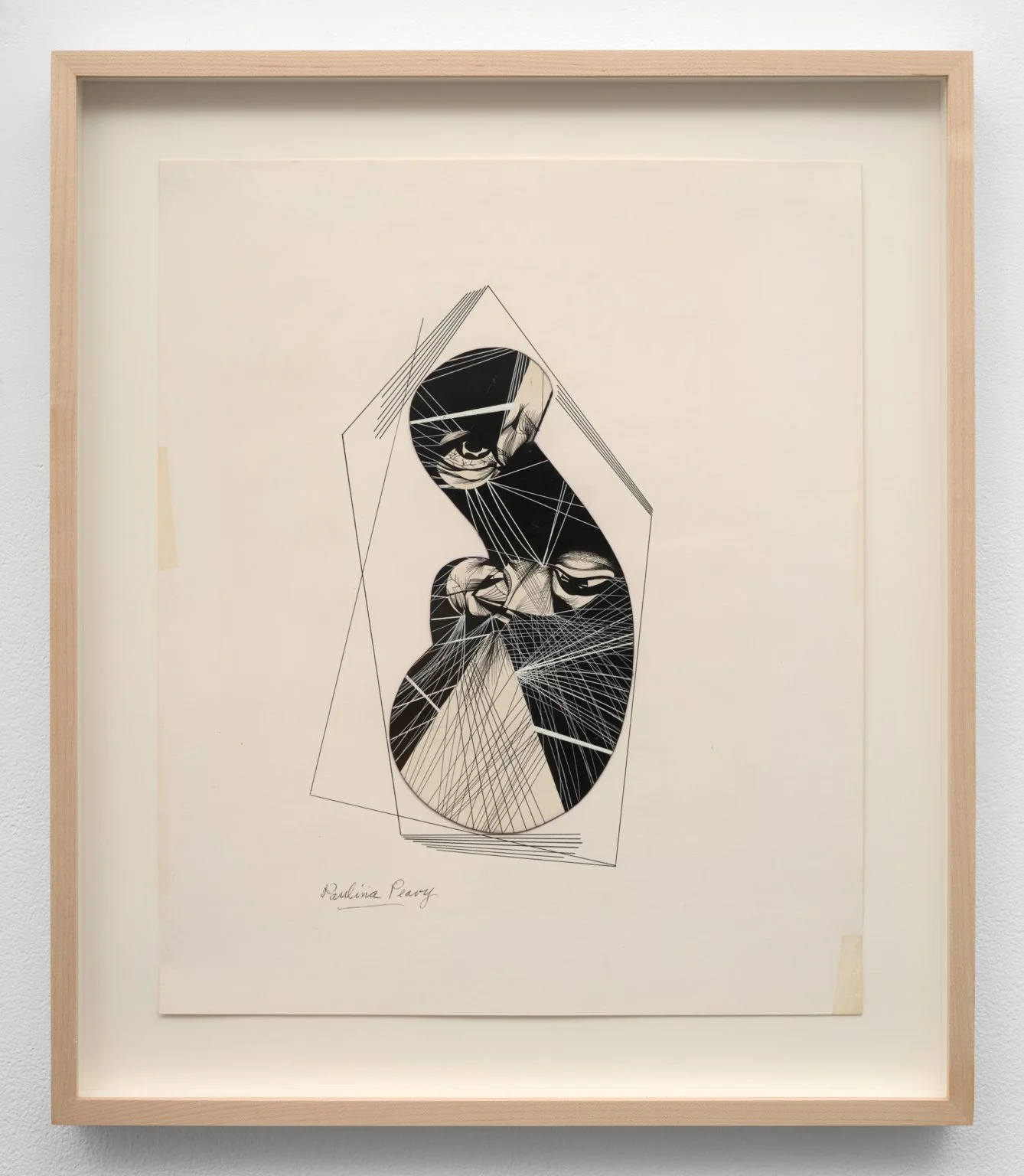
Paulina Peavy, Untitled
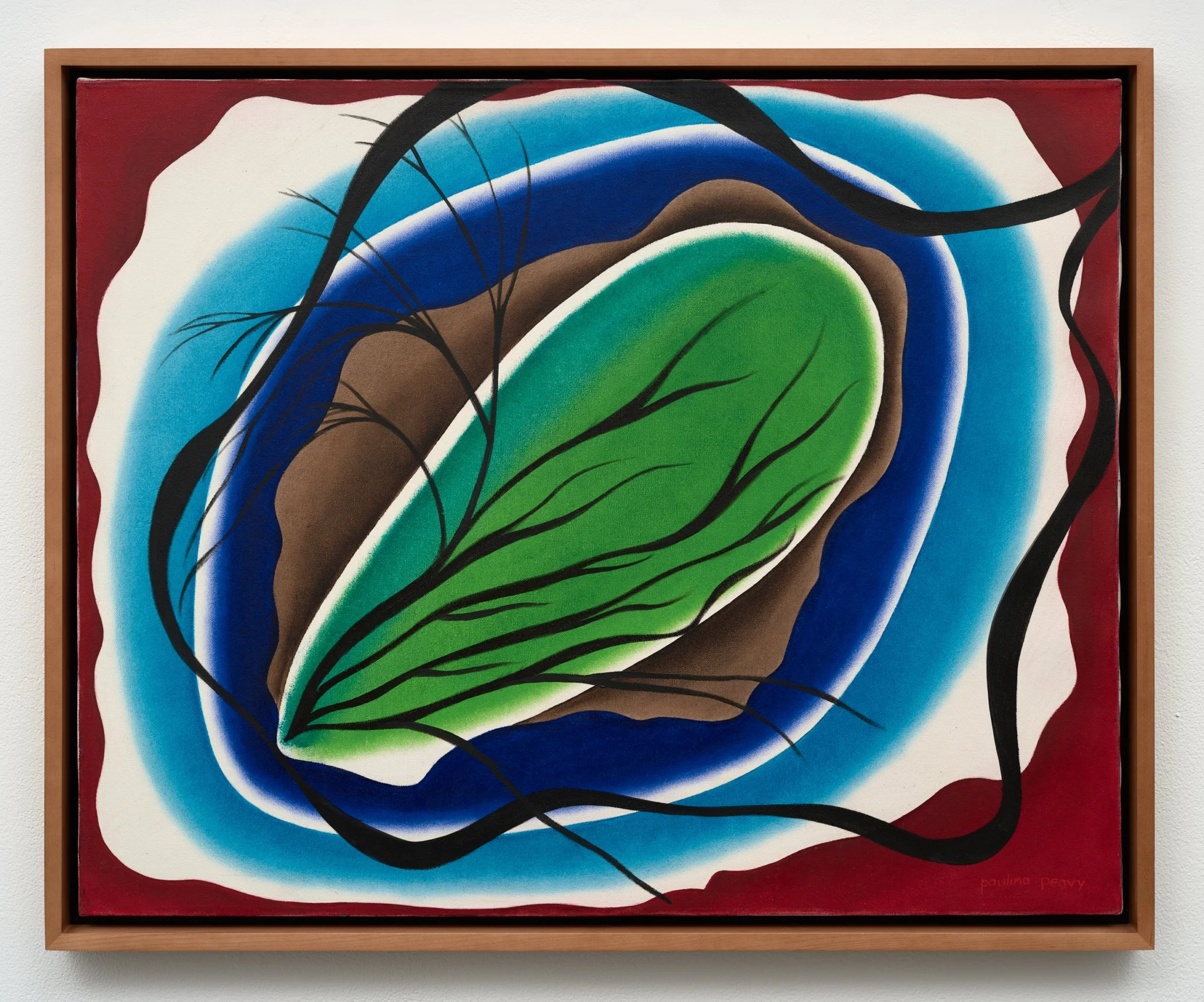
Paulina Peavy, Phantasma 44
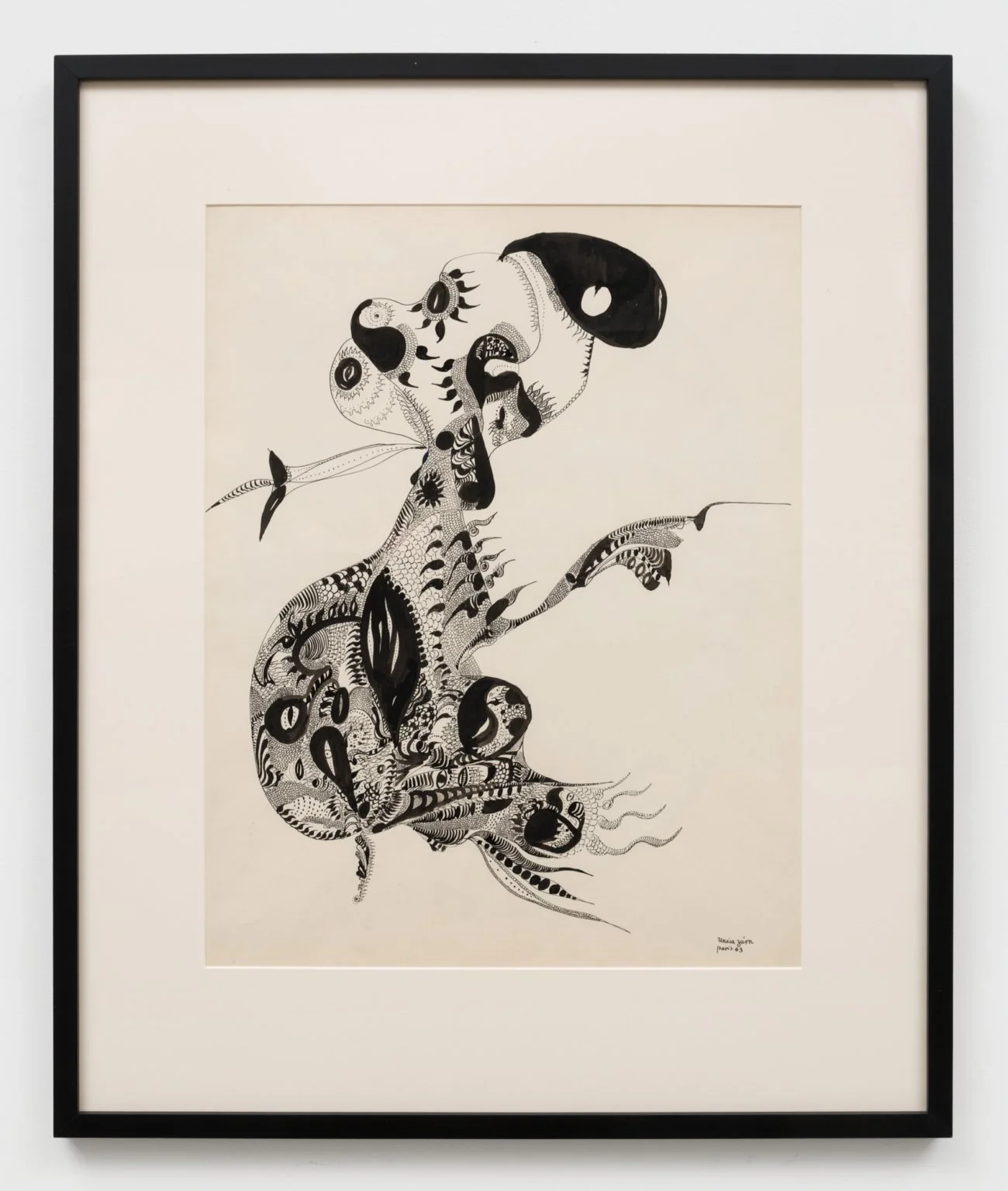
Unica Zürn, Untitled
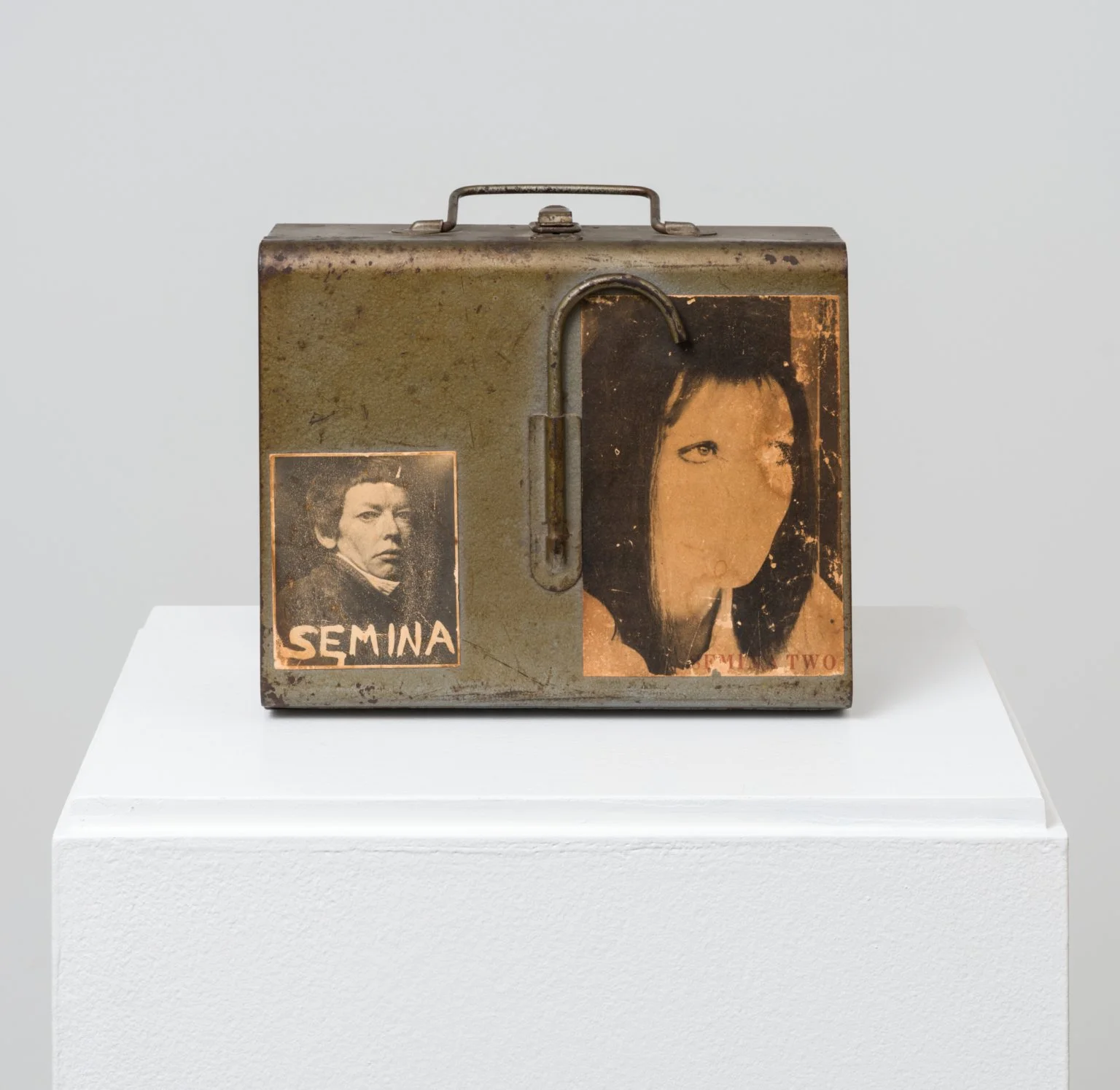
Wallace Berman, Carrier for Semina
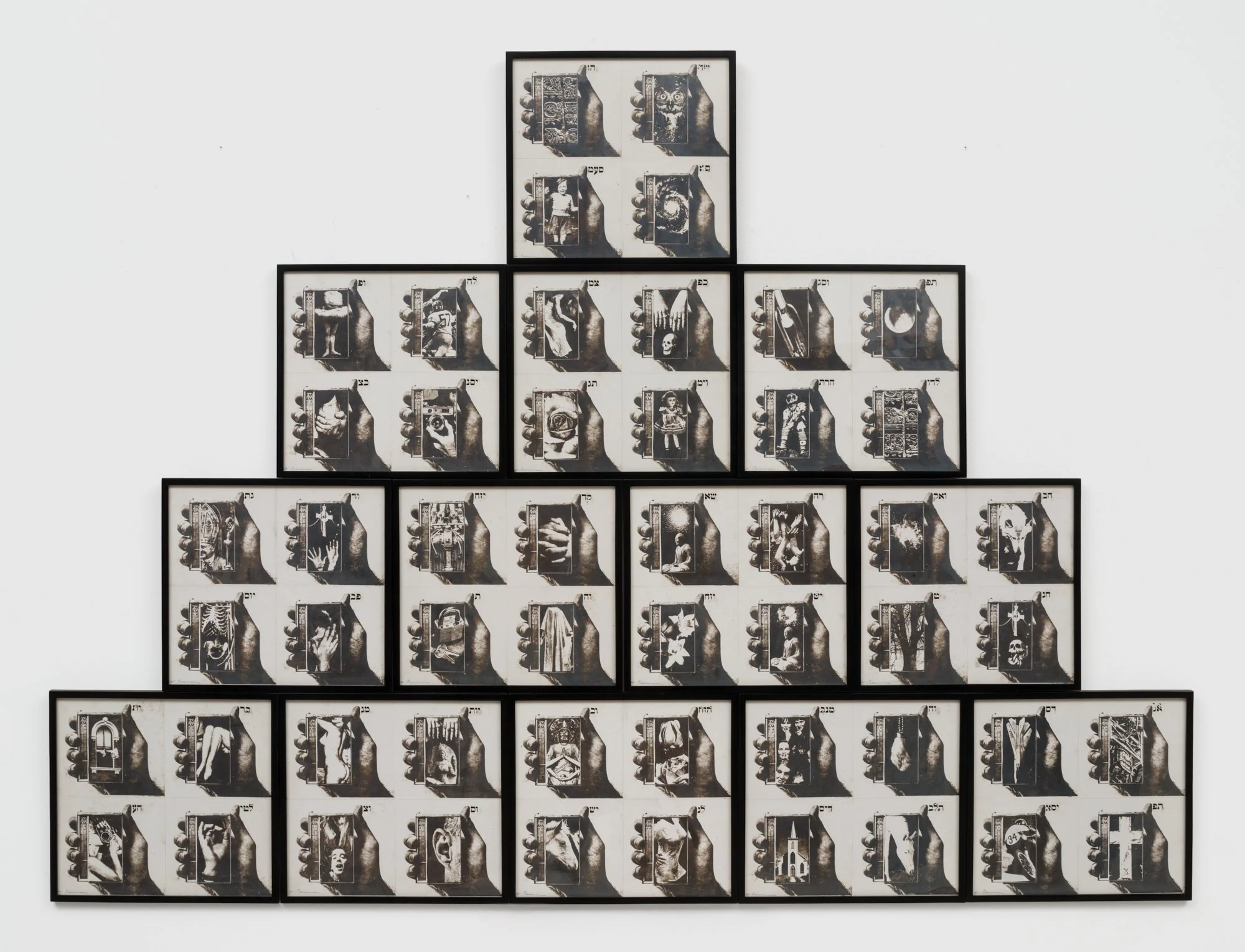
Wallace Berman, Radio-Aether Series
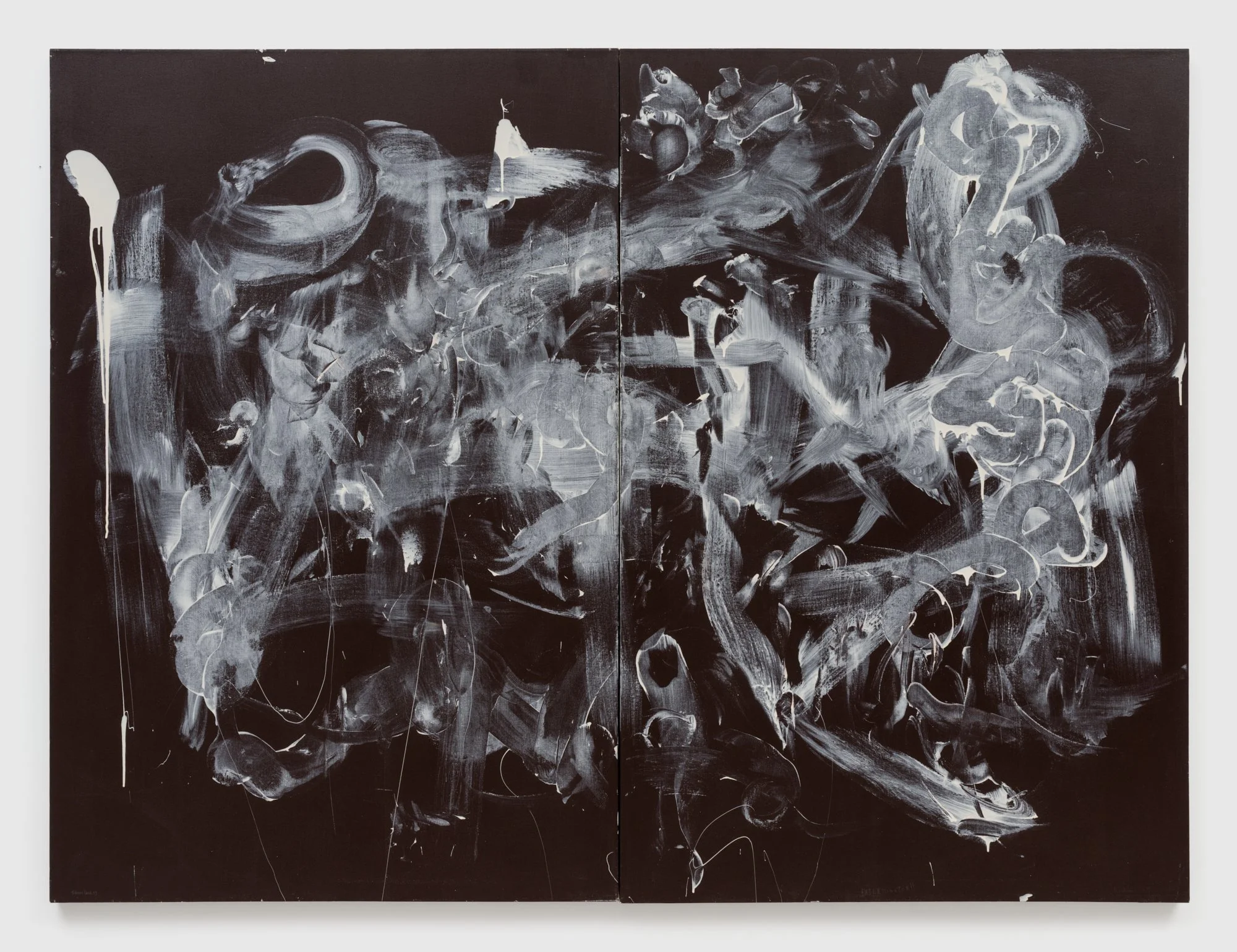
William Burroughs, Steven Lowe, Exterminator II